Weimar Republic

How interwar Germany became a breeding ground for evil

From our UK edition

Did no one who lived through the Weimar Republic of 1918-33 see what was coming, asks Victor Sebestyen in his impressive new book. The politicians, the intellectuals, the foreign visitors who converged on Berlin in the wake of the first world war all wrote about the anti-Semitism and violence they witnessed, but virtually no one perceived where Germany was heading until it was too late. A great deal has been written about the Weimar years, much of it in hindsight; but Sebestyen, the author of bestselling books on Hungary and Russia, sets out to relate events as they unfold – to tell the story as it happened. The result is a fascinating portrait of how frighteningly easy it is for a democracy to crumble.
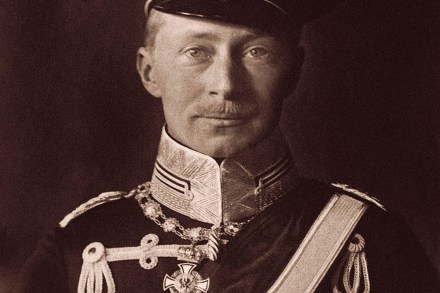
The self-serving delusions of the ‘Swastika Kaiser’

From our UK edition

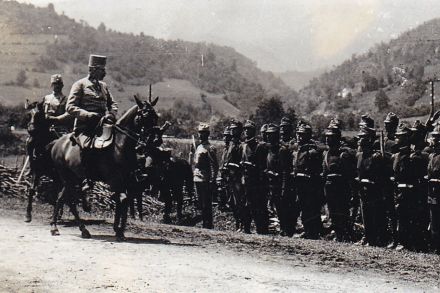
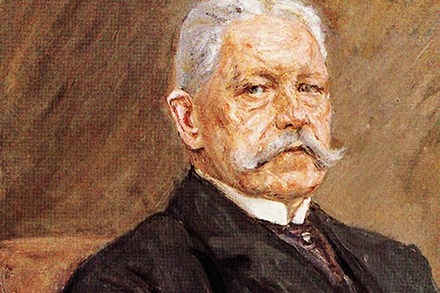
Whenever a new study of the Nazi regime appears, it is taken as a given that after Adolf Hitler seized power and became dictator of Germany in 1933 an egalitarian society emerged, very different to previous decadent, backward-looking generations. In this modern era, it is assumed, the concerns of the Kaiser and the German elite were at best ignored and at worst made another target of the Führer’s purges. In 1933, Wilhelm called Hitler a ‘torchbearer with unparalleled force of conviction and self-sacrifice’ It’s a tempting summation, but an over-simplistic one. As a biographer of the Duke of Windsor, I drew on documents that suggested that Hitler was in fact deeply impressed by the former Edward VIII.

The dishonesty of Netflix’s Eldorado: Everything the Nazis Hate

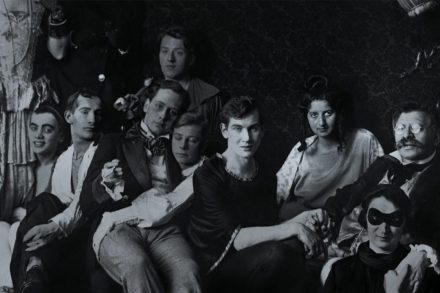
If you don’t subscribe to every last detail of the LGBTQ+ agenda, then basically you are a Nazi. This was the subtle message of Eldorado, a documentary that pretended to inform us about the real-life background sexual milieu to Cabaret and Babylon Berlin, but was really much more interested in promoting its political view that Weimar Germany with its sexual promiscuity, rampant drug use and anything-goes view on "gender" represented some kind of paradise on Earth which we should seek to emulate. A voice-over told us what to think: "They feel intimidated by this rapid change. The pace of change is a source of frustration to just about everybody. If you’re a radical, then change is happening much too slowly for you.

Eldorado

Elon Musk and tweeting on a volcano

Of all the hilarious freakouts over Elon Musk's bid to buy Twitter, my personal favorite comes from journalism professor and self-styled "NYC insider" Jeff Jarvis (as noticed by The Spectator's Bill Zeiser last week). Jarvis tweeted — and I quote — "Today on Twitter feels like the last evening in a Berlin nightclub at the twilight of Weimar Germany." One imagines Mehdi Hasan and Molly Jong-Fast manically jazz-dancing as the Bruenigs belt out a song from a cabaret stage. And surely nothing calls down the specter of fascist totalitarianism quite like Musk's pledge to end Big Tech censorship. Because that's what the Nazis did, right? They kicked down the door to the nightclub, stormed through the horrified crowd, and barked, "ATTENTION PLEASE!

elon musk

American Weimar or American Hapsburg?

Aaron Sibarium has written a fascinating article for American Purpose on the parallels between the current American republic and the Weimar republic. It’s worth reading on its own merits as a history lesson, as a reminder that no people is immune to time and tide, as a reflection on how democracy can turn into disaster. It’s worth reading even if you disagree, as I do.

hapsburg