Washington D.C.

Mitfordmania in Carla Kaplan’s Troublemaker

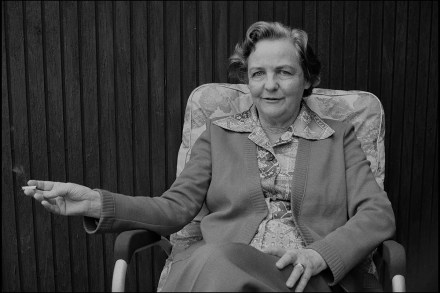
I won’t attempt to explain Mitfordmania; we’d be here all night. Suffice it to say that fascination with the British sisters – Nancy, Pamela, Diana, Unity, Jessica and Deborah, born to the 2nd Baron Redesdale between 1904 and 1920 – shows no sign of waning. This year alone, the six have inspired Outrageous, a lavish (and fatuous) multi-episode television drama available on BritBox; The Party Girls, a play by Amy Rosenthal; and Do Admit: The Mitford Sisters and Me, a graphic novel by cartoonist and fangirl Mimi Pond. Now comes biographer Carla Kaplan’s Troublemaker: The Fierce, Unruly Life of Jessica Mitford. I did wonder if there was anything left to say. Famous for the muckraking classic The American Way of Death, Jessica also wrote two well-received autobiographies.

mitfordmania troublemaker

Epstein, like Russiagate, damns the elite

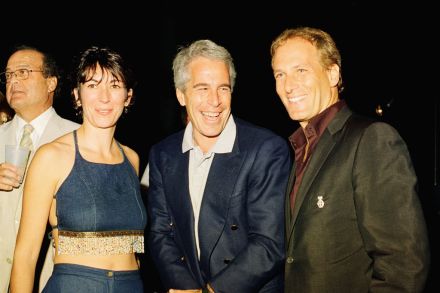
As President Trump’s first year back in office drew to a close, his enemies had high hopes they’d hit on a scandal that could do to his second term what the “Russian collusion” story had done to his first. Donald Trump didn’t have to be found guilty of any wrongdoing tied to Jeffrey Epstein’s sleaze. All that was necessary was to stain his reputation indelibly and distract his administration from its work. The Epstein weapon even had an advantage over the Russia allegations of yesteryear – it resonated with much of Trump’s own MAGA base. Trump campaigned in 2024 on releasing the Epstein files, and many in MAGA considered it a betrayal when he resisted doing so once back in the White House.

The devil over Washington

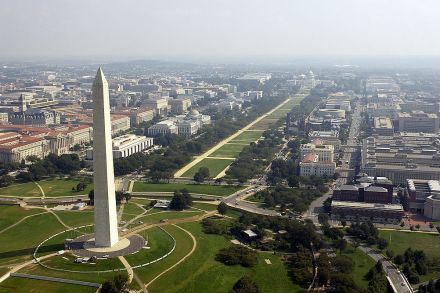
It is difficult to romanticize the political theater of Washington, DC, when you live so close to it. The absurdity feels routine after a while. You grow desensitized to the Machiavellian scheming, the name-calling, the ceremonial outrage. News outlets blast cinematic plot twists to the American public while quieter forces go unnoticed. With September growing late and the humdrum heat and headlines of Washington refusing to break, I turned to film in an attempt to re-enchant myself with the city in which I live. I rewatched two movies which capture its deeper moods. In spite of their tonal differences, both struck me in their portrayal of life just apart from the curtain – Washington not as the center of power, but as a place shadowed by it.

Washington

Why you need Big Balls

Big nicknames come with big responsibilities. And the owner of one of the mightiest monikers – Big Balls – feels the weight of his own obligations keenly. In a rare interview, Edward Coristine spoke about how his family fled to America from Russia after his grandfather was executed for spying for the US. Valery Martynov was a KGB officer who was recruited by the FBI in the early 1980s. He passed Soviet secrets to his American handlers until he was exposed by Aldrich Ames and Robert Hanssen, two of the most notorious traitors in US history.  Recalled to Moscow under false pretenses, Martynov was arrested and executed in 1987. His widow and children eventually sought refuge in America.

Big Balls

Trump’s shrewd move in DC will resonate across the US

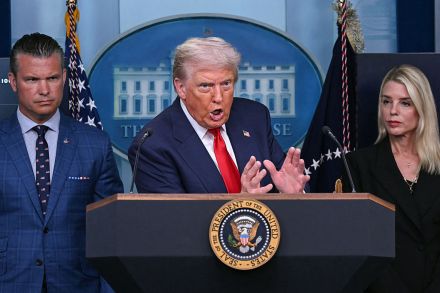
President Trump’s initiative to restore law and order to the streets of the nation’s capital is a smart political move. All Americans consider Washington “our city,” and we want it safe. We can see on the nightly news that it is not, and we’re not happy about it. If Trump can turn that around, he will get well-deserved credit, not from the legacy media but from the public.Trump and his party will reap a second major benefit, as well. If he can lessen the muggings, car jackings and armed robberies, if he can move the homeless off downtown streets, he will highlight the difference between his approach and the painful failures in Chicago, New York, Los Angles and other major cities, all of them governed by Democrats. That’s a huge political benefit, if he can secure it.

Donald Trump

Dive bars will save the West

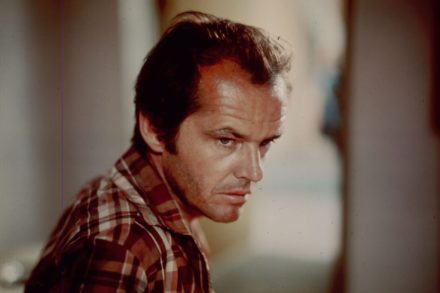
On the wall of a dive bar in Washington, DC, hung a poster for Michelangelo Antonioni’s The Passenger. The bar had the same name as the film. The movie (more boring to watch than metal melting) follows a disillusioned Anglo-American journalist roaming the African desert, indifferent to the landscape and the war he’s supposed to report on. He trades identities with a dead arms dealer and leaves behind his wife, job and old life, thinking that doing so will fix the emptiness. It doesn’t. He is incapable of caring. He has no convictions, not even when living in danger, not even when he meets someone new. The Passenger tells the story of Western men who have become indifferent observers with no cause to embrace, men who seek meaning in escape rather than responsibility.

Jack Nicholson in “The Passenger” (1975) by Michelangelo Antonioni (Getty)