Walt disney

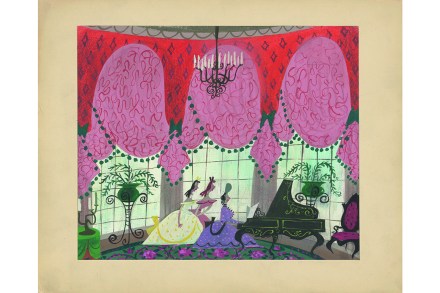
Mary Blair, doyenne of Disneyland

On a cold day at Disneyland, I walk through sugarplum-scented air, past a midcentury-modern poster for Alice in Wonderland, and beneath a plaque that reads, “Here you leave today and enter the world of yesterday, tomorrow and fantasy.” Walt Disney — the controversial impresario of twentieth-century animation and escapism, not the corporation that bears his name — intended his magic kingdom as an escape, a real-life never-never land devoid of the politics and troubles of the everyday. But on this visit to the park, I encounter the here and now around every corner. Passersby notice that an empowered female pirate has replaced the bride-auction scene in the Pirates of the Caribbean ride. (“Did anyone really believe pirates were role models?” one visitor asks.

mary blair

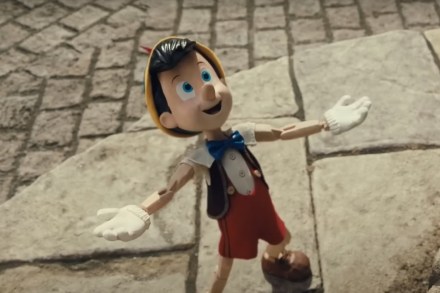
The new Pinocchio is straight up trash

With the possible exception of 2016’s The Jungle Book, none of Disney’s live-action repristinations of its animated classics have been a real success. Beauty and the Beast was too rococo for its own good. Aladdin obsessed over politics at the expense of romance. The Lion King traded elegant animation for dead-eyed CGI. And on it goes. None of these come close, though, to the disaster that is Robert Zemeckis’s Pinocchio — a turgid, nihilistic recreation of the 1940 classic that fails utterly to honor its source material. This month, it’s been dumped unceremoniously onto Disney+ rather than given a proper theatrical release; even the almighty Mouse knows when it has a stinker on its hands.

How did Walt Disney learn from Ancien Régime decoration?

"Make it pink! Make it pink!” says the chubby fairy Flora, aiming her wand at Princess Aurora’s new ball gown in Walt Disney’s Sleeping Beauty (1959). A few magic sparks must have fallen on the walls of Disneyland’s Sleeping Beauty Castle in Anaheim, California, which have been painted (and repainted) in several shades of cotton-candy pink since the faux fortress opened in the summer of 1955, well before the film itself was completed. Two centuries earlier, in 1757, Jean Hellot, the general inspector of the porcelain factory at Sèvres, invented the slightly deeper “rose Pompadour,” a ground color named in honor of Louis XV’s chief mistress and the factory’s most important patron. This pink appears on the scallop-patterned lids of two large Sèvres vases (c.

disney