The triumph of virtue over fear and malice: The Bridge, by Colm Tóibín, reviewed
From our UK edition
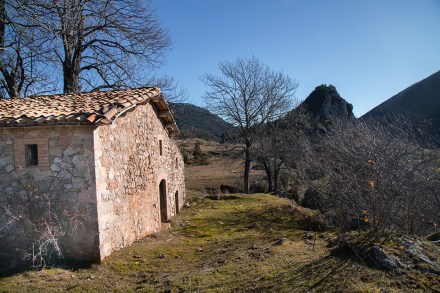
A small, beautiful book about betrayal, the cost of isolation and the persistence of human decency, Colm Tóibín’s The Bridge is set in the 1950s, in a remote Catalan village high in the Pyrenees, among people cut off from the modern world. Cut off for now. A bridge across the river threatens to speed the advent of paved roads, telephones and electricity. Miquel and his father live in an old stone dwelling on a hardscrabble farm, attended by an orphaned houseboy, Manolo, and haunted by the reverberating absence of Miquel’s mother, who was caught in a sudden snowstorm and died. Her corpse, buried under ice, lay undiscovered until a spring thaw. Since her death, Miquel and his father have taken to smuggling goods out of nearby Andorra.