Vineyards

The objectively, subjectively, best vineyards in the world

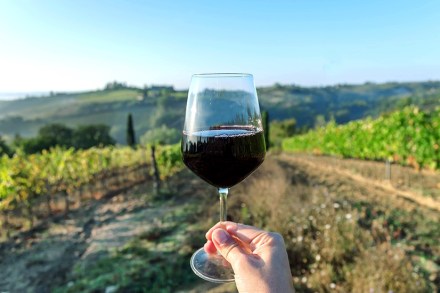
The October 15 issue of the Wine Spectator carries two intriguing features. The first is a series of reports, with lavish photographs, on “The World’s Greatest Vineyards.” This list of ten superstars is followed by a cast of twenty supporting actors, wineries the editors regard as “world class” but relegate to slightly lower rungs on the scale of vinous celebrity. You might think that any such listing would be powerfully subjective. Isn’t one’s taste in wine a classic instance of de gustibus non disputandum est? Well, yes and no. You don’t have to be Immanuel Kant to appreciate that in judging wine there are some objective, or objective-like, features, as well as wholly subjective ones.

vineyards

Why cats are a vintner’s best friend

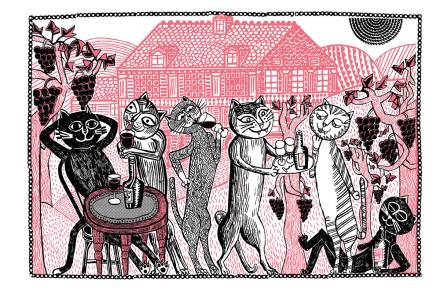
The internet has been good for cats. “Cute cat videos” dominated early YouTube and continue to be default Instagram Reels and YouTube Short recommendations. Some influencer cats — like Grumpy Cat and Karl Lagerfeld’s heir Choupette — hog the headlines, control tens of millions of dollars in social media and advertising contracts and out-earn many famous human influencers. There are cats significantly richer than you, whose selfies pay their owner’s mortgage. Taylor Swift’s cat Olivia Benson has a net worth of $97 million, which makes her only the third wealthiest pet in the world. It seems odd.

cats

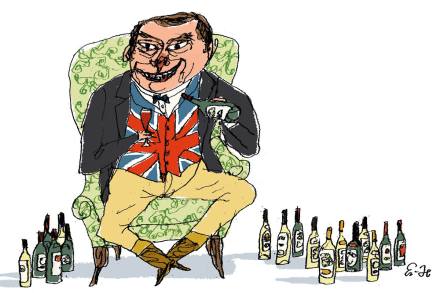
The rise of English wine

Sometimes, I pretend that I worked the wine beat thirty or forty years ago. I picture myself in formal wear, kicking back in gilded settings, sipping perfectly aged first growth, trading bons mots with winemakers. We’d spend hours solemnly considering the slow, steady, seemingly eternal rise of wine culture, and how inevitably it would soften the cruder edges of society. It would be so merry, yet cerebral — but also something we could feel good, even morally superior, about participating in. Instead, I’m in 2024 wearing yoga pants and guzzling mineral water (must hydrate!) by myself holding Zooms with winemakers, sweating over the fact that scientists say climate change imperils up to 73 percent of the world’s current wine-growing regions.

wine

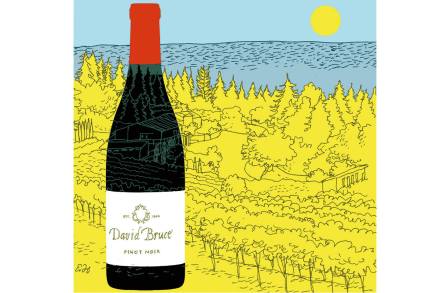
David Bruce, a doctor in the vines

Every good vintner deserves a good origin story. David Bruce, the founder of the eponymous winery in the Santa Cruz hills, has one of the best. When he was at medical school at Stanford in the 1950s, he chanced upon Alexis Lichine’s classic book The Wines of France. Lichine said some fancy and evocative things about the great wines of Richebourg in Burgundy. Bruce padded down to a wine shop in San Francisco and collared a bottle of 1954 Domaine de la Romanée-Conti Richebourg. “The minute I opened this bottle of wine,” he recalled, “the whole room was pervaded by this floral, spicy aroma.” Here’s the kicker: “I remember thinking, I guess you get what you pay for.” Oh yeah? He paid $7.50 for the bottle.

David bruce

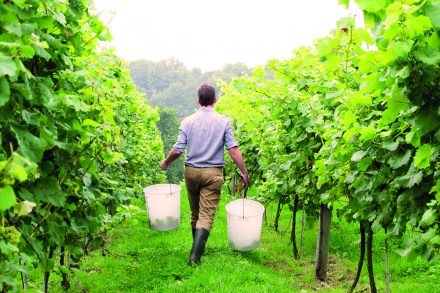
The vineyards of Kent

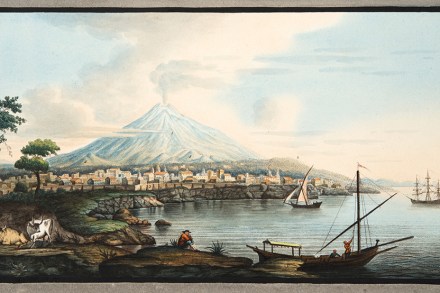
Driving home through Kent the other day, I was struck by how much the topography has changed. When I was growing up there in the 1970s, first in Rolvenden and then in Hawkhurst, there were hop gardens. Today there are vineyards. I’m not sure Alfred Jingle would recognize the county about which he stated in Pickwick Papers: “Kent, sir — everybody knows Kent — apples, cherries, hops and women.” The apple and cherry orchards are not nearly as numerous as they were in either his day or mine, and the hop gardens have largely, although not entirely, disappeared. As for the women, I can’t vouch for their numbers, but I’m delighted to report they remain very easy on the eye. I loved picking hops.

kent

The lost art of Roman winemaking

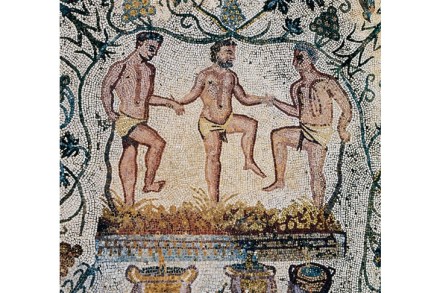
Taste has a well-noted ability to evoke memory, so it is curious how infrequently most wine writers mine their pasts for inspiration. You wouldn’t think that some had ever fallen in love, read a novel or even got drunk. Instead they obsess over scores, sulphur and diurnal temperature variation. Thank heavens for Nina Caplan, who brings a bit of hinterland to this often dry subject in her weekly New Statesman column. Characteristically, The Wandering Vine, her first book, is about much more than wine. It’s a heady blend of travel, literature, memoir, history and what I can only describe as psychogeography, though don’t let that put you off. The publishers have given the book a whimsical cover, which is misleading, because this is not a lightweight read.