Uk politics

The real scandal of zero-hours contracts: HMRC’s greed

From our UK edition

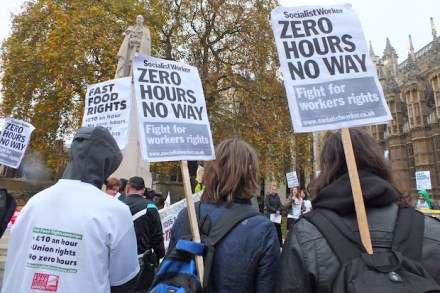
Cue the Guardian headlines of ‘exploitation’ in ‘Dickensian’ Britain. Nearly 700,000 people are now working on zero-hours contracts, a rise of 100,000 in just one year. Is that really such a problem? Not among the many people who want flexible work because they want to fit the business of earning money around studying, travelling or other careers. I agree that employers using zero hours contracts should not be allowed to place exclusivity clauses in them, preventing people working elsewhere – and which the government has already said it will ban. But most zero hours contracts do not state this – they offer two-way flexibility, with the employer not obliged to offer employment and employee not obliged to work.
The Tories need to put Boris front and centre of the campaign — the numbers prove it

From our UK edition

Have you seen Boris Johnson? The Mayor of London has been surprisingly absent from the Conservatives’ floundering campaign so far. He was not chosen to be member of the core team fronting the campaign — Sajid Javid, Nicky Morgan, Theresa May, William Hague and George Osborne in case you’d forgotten. His most prominent appearance was standing alongside the Chancellor at an event focused on London. Today’s Times splashes with the story that some Tories are beginning to worry, and wonder, why the Mayor isn't being used more often. The numbers alone suggest Boris should be on TV screens every night to promote the Conservatives’ cause.

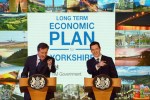
As ‘long-term economic plan’ goes global, will Cameron have an easy PMQs?

From our UK edition

How will Prime Minister’s Questions go today? Both party leaders have had to deal with troublesome MPs this week, with Jack Straw and Sir Malcolm Rifkind both falling prey to the Dispatches/Telegraph sting. But Ed Miliband may feel that he can continue his theme of cracking down on paid directorships and consultancies, which Labour is running an Opposition Day debate on later today. Rifkind’s response to the sting also dug him into a deeper hole than Straw, who decided rather wisely to talk about what a fool he’d been not to take the advice he had so kindly doled out to colleagues who’d been caught by the same sorts of operations in the past.

When did it become OK for the police to electrocute children?

From our UK edition

Hard as it may be to imagine, dear reader, once upon a time the police managed to fulfil their obligations to society without resorting to electrocuting children. The sky did not fall. Teenage ruffians did not run amok. Life went on, much as it had before. Changed times, of course. These days, the carrying of Tasers has become increasingly normal. And when the police are armed as a matter of course, it's no surprise that they are increasingly likely to deploy force. Even on children. And pensioners. The youngest person Tasered by the police in England and Wales in 2013 was 14 years old; the oldest a menacing 82 years old. According to police statistics obtained by the BBC, officers Tasered 37 children in 2013.

Do we now know what the Tory strategy for defence is?

From our UK edition

For a while the Tories had hoped they could get away with dodging questions on defence spending until after the election. Even as the pressure within their own party for a commitment to the 2 per cent of GDP set by Nato, ministers were either saying they didn't want to 'pre-judge' the Strategic Defence and Security Review, or trying to turn the question round and ask whether Labour was going to match the current level of spending by this government. Neither was a satisfactory answer, but ministers rather have the impression that with just weeks until Parliament dissolves, they needn't worry too much.

Why Natalie Bennett doesn’t need to do the sums on policy

From our UK edition

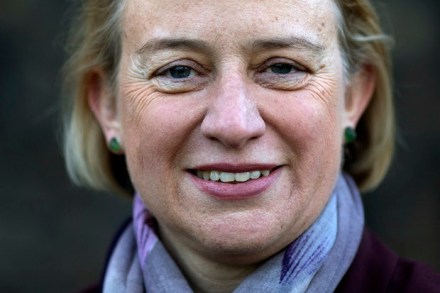
To be fair to Natalie Bennett, she took the rather admirable step of apologising on the Daily Politics for being so woeful in her disastrous interview with Nick Ferrari this morning. But the whole episode tells us a lot about how the Green party views its appeal to voters. Yes, yes, it’s embarrassing that a party leader boasting about a flagship housing policy ended up sitting in the most painful silence imaginable while she tried to think of how that policy would actually, you know, work. But clearly if she thought that knowing the details of the policy would be important, she might have checked the details before walking into the LBC studio with Nick Ferrari. Clearly she did not.

Malcolm Rifkind quits as ISC chair and will stand down at next election

From our UK edition

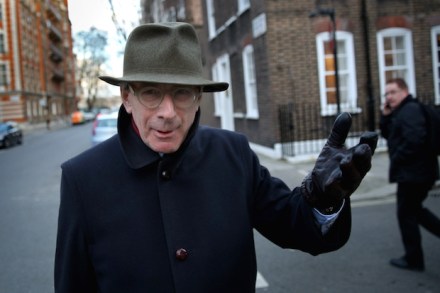
Sir Malcolm Rifkind's political career is over. Following the Dispatches/Telegraph lobbying expose, the former Conservative defence and foreign secretary and MP for Kensington has announced he is standing down at the next election. This has created a vacancy in one of the most sought-after Tory seats in the country, represented in a previous incarnation by Alan Clark and Michael Portillo. It's hard to see how Sir Malcolm could have stayed on. His unforgiven attitude to the cash for access accusations — and remarks suggesting his £67,000 salary as an MP wouldn't allow him to 'have the standard of living my professional background would normally entitle me to have' — were toxic for the Tories.

Ed Balls struggles to land punches in tax showdown with George Osborne

From our UK edition

Naturally, when George Osborne and Ed Balls squared up in the Commons this afternoon for a showdown on the HSBC tax row, it wasn’t a particularly pretty affair. There was shouting, heckling, yowling - and the backbenchers were pretty aerated, too. Indeed, the Tories had turned up intending to throw the Shadow Chancellor off pace before he’d even started, shouting ‘ANSWER’ at him every time he tried to say a single word. Balls had clearly turned up thinking that dragging the Chancellor to the Commons to answer his urgent question was victory enough. But an urgent question is only a victory if the minister responding leaves the Chamber thinking that he or she needs to get onto their officials for a more detailed briefing because the row has got bigger.

The latest proposals make the TV debates less likely to happen

From our UK edition

TV debates became a little less likely to happen today. The broadcasters have announced that their proposed timetable is for the two seven party debates to come first with the head to head between Cameron and Miliband as the final instalment. This schedule will make the Liberal Democrats even more reluctant to agree to the debates. For one of their main worries has been that in the two way debate, Cameron could say anything about what the Liberal Democrats have blocked in government without them having any chance to respond. With no seven way debate following the Cameron Miliband head-to-head, this problem has been compounded: there is no venue for Clegg to challenge Cameron directly on what he says in that two way debate.

Labour demands David Cameron commit to TV debate with Ed Miliband

From our UK edition

Will any of the General Election TV debates take place? Labour hopes they will, and today Douglas Alexander has written to Grant Shapps demanding that the Tories commit to doing the head-to-head debate with Ed Miliband, even if all the smaller parties are tying themselves up into fights over he seven-way debate. Alexander writes: ‘In the light of the previous comments from yourself and Mr Cameron, I am sure you will agree this is a “credible debate” and an excellent opportunity for the British people to watch the two leaders who stand a realistic chance of being Prime Minister after May 7. ‘I am happy to confirm on Mr Miliband’s behalf that he will turn up to debate Mr Cameron on April 30. Can you today confirm that Mr Cameron will be there too?

Conservative party suspends whip from Sir Malcolm Rifkind

From our UK edition

Even if the two MPs caught up in today's sting, Jack Straw and Sir Malcolm Rifkind, are found to have done nothing wrong, their parties cannot be seen to be protecting them. Straw was suspended from the Parliamentary Labour Party last night and this morning Sir Malcolm Rifkind has had the Tory whip removed. Rifkind says he will not stand down as chair of the Intelligence and Security Committee unless the Committee calls for him to stand aside. It's difficult to see how he can stay in the role while the investigation into his behaviour takes place. There will also be an immediate investigation carried out by the Tory party, given Rifkind is standing again at the election.

Mini Election: Tim Montgomerie on his plan to fix British conservatism

From our UK edition

Is conservatism in Britain broken beyond repair? Tim Montgomerie thinks it’s time for a reformation on the right. In the latest Mini Election video, I speak to the Times columnist and founder of ConservateHome about his new project The Good Right, which sets out his proposals for reuniting and reinvigorating the conservative movement. Given that the Conservative Party hasn’t won a majority since 1992, Montgomerie says the party needs to delve into its history pre-1979 and remember that the state can sometimes deliver the best answers — house building for example.

Tories and Labour to make pledges knowing they are bad policy

From our UK edition

This week, the two main parties plan to make iconic pledges that they hope will appeal to their core vote, but that are pretty poor policy. David Cameron will today pledge to keep ‘pensioner perks’ - universal benefits for older voters such as the free bus pass and the winter fuel payment - while Labour expects to announce its new tuition fees policy. The only thing that gives the Tories any sense of moral high ground in this is that they have at least worked out how to fund their pledge, while Labour is still scrapping over the money for and detail of its plan to cut tuition fees. Why are these bad policies?

Ruth Davidson’s Blue-collar Conservatism subtly rebukes David Cameron

From our UK edition

Today's Scottish Conservative conference in Edinburgh proved unexpectedly interesting. No, really. Or, rather, yes, really. Or whatever. David Cameron spoke, you see, and so did Ruth Davidson and they said very different things. For important Prime Ministerial timetabling reasons (ie, he needed to get back to London) Cameron spoke first and thus, unusually, served as the warm-up guy. Which merely helped emphasise the difference between what the Prime Minister said and what the Scottish Tory leader had to say. Some of this was a question of substance.Cameron declared that the national question is "settled" whereas Davidson warned that "This isn't over and it hasn't gone away". Only one of them can be right and it's not the Prime Minister.

Politicians needn’t be so afraid of saying what they think

From our UK edition

Politicians know they need to be more natural, less spun, and more honest about what they think. But most of them carry on sounding unnatural, spin-doctored and cagey because they’re worried about the media will do to them if they speak their minds. They fear being pounced upon by journalists keen to write up their latest ‘gaffe’. But this week we’ve seen two politicians saying what they think without any major repercussions. Example one comes from Boris Johnson in his interview with Tim Shipman. The Mayor was asked whether he watched Coronation Street or Eastenders: ‘Um. What a world we live in where you are felt to be out of touch if you don’t watch these things. Why should I? It’s ridiculous, totally ridiculous. Dirty Den, that was EastEnders.

Labour’s tuition fees moment

From our UK edition

Could Labour’s tuition fees policy be its own tuition fees moment, of the same order as the moment it endlessly needles the Lib Dems about? Well, the decision, when it’s made, won’t have the same dramatic effect as the Lib Dem about turn in 2010, because Labour candidates haven’t been posing with signed pledges and smiling students promising that they’ll do one thing while their party slowly realises that it really should do another. In any case, it does look as though the party will, in one way or another, maintain its promise to cap the fees at a lower level than the £9,000 that the Coalition raised them to, even if this is only for technical degrees or, as I reported recently, ‘useful’ subjects. The talks are still going on.

Dodginess from Tacitus to Ed Miliband

From our UK edition

‘I hate Jammie Dodgers,’ said my husband staring disdainfully at a biscuit kindly tucked into his coffee saucer at an after-church gathering. I’m glad only I heard. But the fact is that we British generally admire dodgers. Dickens came up with a fine sobriquet when he gave John Dawkins the nickname the Artful Dodger. As in real life, he was often referred to simply as the Artful. Artful of course meant ‘cunning’ or ‘deceitful’ — high praise. Earlier in the story, Mr Bumble had called Oliver Twist ‘artful and designing’, admittedly not in praise. And in The Pickwick Papers, the novel before Oliver Twist, Sam Weller calls a trick played on them by Job Trotter an ‘artful dodge’.

Escape to victory

From our UK edition

Breakfast is under way on 8 May 2015, and the party leaders have already started haggling. The possibility of a loveless Labour/SNP ‘anti-austerity’ pact has sent the markets tumbling. With the largest number of seats but no overall majority, the Tories are making eyes at the least un-attractive potential bedfellows. Assorted pressure groups are trying to rekindle the same ‘Purple Protest’ movement which sought to exploit the political void immediately after the 2010 election. Having spent all night telling the television cameras that all this voting stuff is, like, rubbish, an exhausted Russell Brand urges his followers to rise up and do, er, something. But the protestors find that the streets are already full of people.