Even Shakespeare was a slow starter
From our UK edition
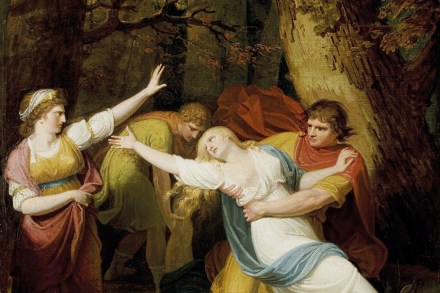
Are Shakespeare’s early plays terrible? Rory Loughnane seems to think so, which is perhaps surprising, given that his new book is an account of Shakespeare’s writing life until the age of 30. The playwright starts out in 1588, aged 24, with The Two Gentlemen of Verona, which is mostly remembered for an unpleasant subplot about rape. ‘The treatment of the female characters is dreadful,’ writes Loughnane, while the ending is ‘underdeveloped and therefore somewhat dissatisfying’. Next up, Titus Andronicus, which was popular with audiences but less so with Loughnane, who gives a summary of the demented plot, quotes some long-dead scholars being mean about it (‘I wish I had never read it’), and concludes: ‘The end, phew.