Theresa may

Why Theresa May has decided to postpone the Brexit vote

From our UK edition

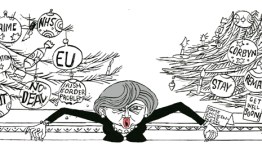
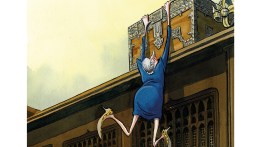
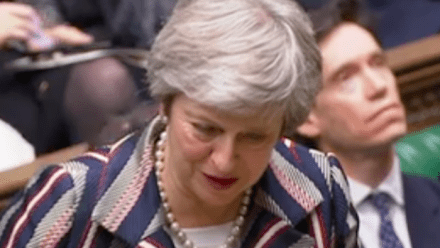
Faced with a choice between a humiliating defeat or moving a vote in order to delay a humiliating defeat, Theresa May has plumped for the latter. This morning, cabinet sources say the Prime Minister made the decision to delay the vote on her Brexit deal. Despite No.10 insisting repeatedly this morning that the vote would go ahead on Tuesday, the scale of defeat appears to have become too much and there are now plans to try and shelve it. Cabinet sources suggest that the vote will be moved to January. The vote could still go ahead if May's opponents find a procedural ruse by which to thwart the government.

Beyond May

From our UK edition

On Tuesday, MPs will face something rare: a Commons motion which really does deserve to be described as momentous. It will set Britain’s place in Europe and in the world for years to come. The vote will place an especially heavy burden on Conservative MPs, for they have the power to inflict a hefty defeat on their own government, an administration which has no majority and which governs thanks only to a confidence and supply agreement with the DUP. It is all too easy to see where defeat on Tuesday could lead: to the collapse of the government, a general election and the arrival of Jeremy Corbyn in Downing Street. Theresa May’s deal has been rejected by MPs on the left and the right, by radicals and moderates.

Portrait of the Week – 6 December 2018

From our UK edition

Home Political hobbyists speculated on the future of Brexit if the government fell, if a new Conservative leader was chosen, if a general election was called or if a second referendum was held. Debates were tabled over five days, in prospect of a Commons vote on 11 December on the withdrawal agreement from the EU to which Theresa May, the Prime Minister, had agreed. She told the Commons that it would allow Britain to negotiate, sign and ratify new trade deals from the moment it left next March (even if none could be implemented until the end of the transition period, 31 December 2020 at the earliest, or by any given date, if the backstop came into operation).

What happens next?

From our UK edition

Parliament is in deadlock over Brexit. So what can we expect in the coming days and weeks after the vote? These are the scenarios currently being war-gamed. May’s deal passes A political shock: Theresa May squeaks over the line after convincing Brexiteers that it was her deal or no Brexit — and Remainers that it was her deal or a no-deal Brexit. The DUP then rains on May’s parade. Seething over the backstop, it declares that the confidence and supply agreement is over for good. This scenario could involve delaying the initial vote in the hope this gives MPs time to come around. It passes on a second vote Theresa May’s deal fails to pass first time round by 50 votes.

Brexit’s crunch point

From our UK edition

Unless Theresa May delays the vote, 11 December 2018 might be about to become one of the most important in recent British history; more important even than 23 June 2016. If MPs vote down Theresa May’s withdrawal agreement, as nearly all ministers expect them to, they will set Britain on course for either the softest possible Brexit or a second referendum. In the process, they may well split the Tory party. Theresa May’s strategy has been to play chicken with Parliament. Her team saw virtue in intransigence and calculated that at the last moment MPs would get out of her way. They thought that fear of no deal would bring former Remainers into the fold. Simultaneously, Leavers would reluctantly take this imperfect Brexit over the risk of no Brexit at all.

Why no deal planning should be stepped up

From our UK edition

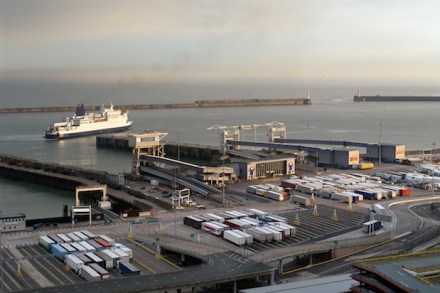
No-go-day was meant to be yesterday, I say in The Sun. This was the moment when the Department for Exiting the EU wanted the principal purpose of government to become getting the country ready for leaving the EU regardless of whether there was a deal or not. Number 10 argued that a vaguer deadline of late November / early December was better. They thought that this would give more time to tell whether full on ‘no deal’ prep was necessary or not. But now, Number 10 is indicating that it wants to hold off until after the meaningful vote on the 11th of December. This is not a good idea, though. Those inside the machine estimate that it would take four months of intense preparations to get this country into a place where it could make no deal manageable.

Is the May-Corbyn television debate pointless?

From our UK edition

Theresa May has two weeks to sell her deal to MPs ahead of the meaningful vote on Tuesday 11 December. The fact that Philip Hammond used an interview this morning meant for selling the deal to state that at present there was no consensus in favour of it tells you everything you need to know about how that is going. There are gloomy estimates that the government could lose the vote by as much as 200 – that seems steep but a defeat around the 100 mark is beginning to seem likely. So, how does No.10 plan to turn things around? There's a special Brexit grid which will see a topic focus for each day – economy, security, trade – in the build up. Perhaps the most striking part of the Downing Street campaign is the mooted TV debate. No.

Why Donald Trump thinks the Brexit deal is no good for US-UK trade

From our UK edition

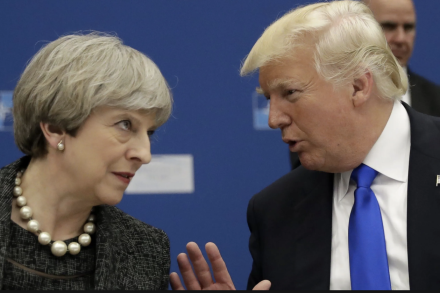
Donald Trump has always been consistent on Brexit. He admired the spirit of the vote, a freedom-loving people defying their elites, as his deplorables would go on to do. He likes Britain. He dislikes the EU, which he has always regarded as a sort of protection racket for German manufacturing and an institution that gets in the way of his golf course development. Ever since Trump’s inauguration, he has made it clear that America is ready to give Britain the ‘beautiful’ free trade deal that so excites Brexiteers. But he and his advisers have been consistently disappointed by May’s insistence that she must stick by E.U. terms and regulations at the expense of improving and deepening the UK-US relationship.

My deal or chaos: May’s message to MPs as she faces the Commons

From our UK edition

It only took a few lines of Theresa May's statement to the House of Commons on her Brexit deal before MPs started making dissenting noises all around her. The Prime Minister started by listing the ways in which the deal 'takes back control' for the British people, telling MPs that this included control of Britain's borders, ending the jurisdiction of the European Court of Justice, an end to 'vast annual payments we send to Brussels', protecting jobs through a new Free Trade Area, protecting the country's security and maintaining 'the integrity of our United Kingdom, meeting our commitments in Northern Ireland and delivering for the whole UK family, including our Overseas Territories'.

Full text: Theresa May defends her Brexit deal in the Commons

From our UK edition

At yesterday’s Special European Council in Brussels, I reached a deal with the leaders of the other 27 EU Member States on a Withdrawal Agreement that will ensure our smooth and orderly departure on 29th March next year; and, tied to this Agreement, a Political Declaration on an ambitious future partnership that is in our national interest. Mr Speaker, this is the right deal for Britain because it delivers on the democratic decision of the British people. It takes back control of our borders. It ends the free movement of people in full once and for all, allowing the government to introduce a new skills-based immigration system. It takes back control of our laws.

If May forgets to talk to her MPs, her Brexit deal is doomed

From our UK edition

Theresa May is back in the Commons this afternoon updating MPs on her Brexit deal. She’s in the middle of a frenzy of campaigning that makes her efforts during the referendum itself look quite lacklustre (admittedly not hard, given how little effort the then Home Secretary put into that campaign), with phone-ins, newspaper interviews and a bid for a live TV debate on Brexit with Jeremy Corbyn. Tomorrow, May is also going to tour the UK to sell her deal to the public. The Prime Minister’s strategy is to talk over the heads of her warring party and straight to the public, in the hope that at least some of those MPs will heed the real opinions of their constituents and switch to voting for the deal in Parliament.

What happens next? Five Brexit scenarios

From our UK edition

Theresa May's deal has been approved by the EU27 but now the difficult part begins. No.10 must work out a way to get the EU withdrawal agreement through the Commons. Given that the number of Tory MPs who have said they won't support it is past the 80 mark (see the full list here), that looks no easy task. A vote is mooted for Tuesday 11th December. So, given that Plan A looks rather optimistic, what are the alternatives? No-one – not even those at No.10 – are entirely certain what would happen if the deal is voted down. However, here are the main scenarios to expect come the vote: MPs back May's deal on first vote At present, this seems an unlikely option. However, if No.

May tries to sell her Brexit plan to the Commons – with limited success

From our UK edition

Tory MPs offered a warmer reception to Theresa May's statement in the Commons this afternoon than they managed during yesterday's Prime Minister's Questions. The Prime Minister herself seemed very confident as she explained today's political declaration to MPs. That's about as far as you can go when looking for signs of success in this afternoon's Commons Brexit drama. For instance, straight after the statement, we received confirmation from Iain Duncan Smith that he and other Brexiteers do still find the Brexit deal unacceptable and will kill it in the Commons.

May’s toxic legacy

From our UK edition

At David Cameron’s final Prime Minister’s Questions, a Labour MP asked him how his plan to get the Tories to ‘stop banging on about Europe’ was going. The chamber erupted in laughter and Cameron gave a rather sheepish response. Afterwards, one of those who had prepared Cameron for PMQs wondered whether he should have given a more robust answer. Surely, he argued, the party would stop banging on about Europe now that the referendum had settled the question. How naive that seems in retrospect. It is now becoming clear that the referendum only succeeded in ushering in the most bitter battle in the Tories’ 40-year civil war over Europe.

Tories try out life as a minority government

From our UK edition

MPs and ministers who had settled down in Parliament on Tuesday evening for a late night of votes on the finance bill were given an early reprieve – all votes were off. However, rather than an early Christmas present from No.10, the shelving of votes on the finance bill was down to a reason out of Theresa May's control: no working majority. With the DUP abstaining for a second day over grievances with the EU withdrawal text, the government decided to concede all amendments to the bill – including one from the SNP. It's not clear they would have lost on every single amendment but after the antics of Monday (when the DUP voted with Labour but not enough Labour MPs turned up to secure victory), all opposition MPs were on standby to try and inflict a defeat on the government.

No-confidence threat against May recedes – for a few days

From our UK edition

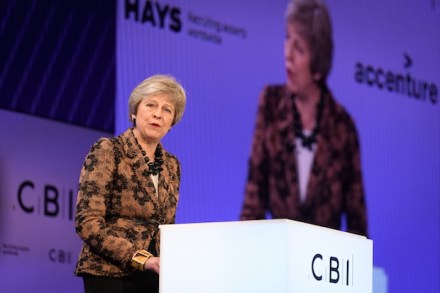
Is Theresa May about to face a vote of no confidence in her leadership? The Prime Minister is acting as though nothing has changed, to coin a phrase, focusing on selling her Brexit plan to business leaders at the CBI, rather than getting too bogged down with the internal problems with her party. But those trying to organise the move against her had been making noises all day that they may have the requisite number of letters calling for such a vote by this evening. This doesn’t look like it’s going to be the case. Indeed, today a number of Brexiteers including Owen Paterson and Iain Duncan Smith have been holding talks in Number 10 along with David Trimble about a proposed solution to the Brexit deal that might prevent a leadership contest.

May’s Brexit deal: 40 rebuttals to Downing Street’s 40 rebuttals

From our UK edition

Is a deal better than no deal? After Mr S attempted to answer that question over the weekend by publishing 40 horrors lurking in the small print of Theresa May’s Brexit deal, No. 10 got in touch with 40 rebuttals to Steerpike's 40 horrors. Still with us? Well, episode three of this series is finally here. Mr S thanks 10 Downing Street for conceding many of the 40 points on the Withdrawal Agreement, and for engaging in all of them. In the spirit of friendly discussion, here are all 40 of Steerpike's responses. ----------------------------------------------------------------------------------- First, a note on ambiguity: In its rebuttals, No10 accepts ambiguity over how the document might be interpreted - which, in this case, is crucial.

Theresa May warns plotters: Oust me and Brexit won’t get any easier

From our UK edition

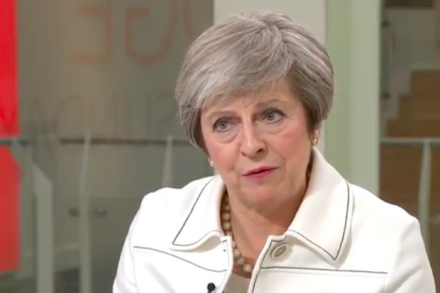
Theresa May's problems have not let up over the weekend. With speculation mounting about an impending confidence vote, the Sunday papers are filled with reports of leadership rivals sounding out colleagues while Dominic Raab – the former Brexit Secretary – has used an interview to tell May to stand up to Brussels' bullies (though he has since told Andrew Marr he will still back the PM in any confidence vote). Appearing on Ridge on Sunday this morning, May tried to make the case for both her Brexit deal and her premiership continuing. She said that as far as she knew the 48 letters required for a confidence vote were not in.

The Brexit deal: 40 rebuttals to Mr Steerpike’s 40 horrors

From our UK edition

Is a deal better than no deal? In a bid to answer that question, Mr Steerpike published a list of the 40 horrors buried in the small print of Theresa May’s Brexit deal. Downing Street have since been in touch to put forward their own 40 rebuttals to those 40 horrors (we'll respond on Monday). No.10's points are in italics. After reading this list, why not try Mr Steerpike's 40 rebuttals to No.10's 40 rebuttals here. ----------------------------------------------------------------------------------------- The supposed ‘transition period’ could last indefinitely or, more specifically, to an undefined date sometime this century (“up to 31 December 20XX”, Art. 132).