The Rust Belt

Tariff haters don’t live in the Rust Belt

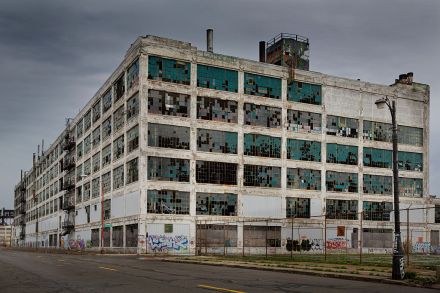
There is a vacant lot at the edge of downtown Philipsburg, Pennsylvania, my hometown. Three years ago, a handsome, sturdy brick factory building stood in that lot, albeit most of the windows were broken, as it had been abandoned for years. After it closed, the building became a favorite hangout for ne’er-do-wells, whose act of arson forced its recent demolition. For decades, though, the clothing factory employed thousands of people and made downtown hum, as workers crowded the restaurants and took care of errands on their lunchbreaks. They – along with the hundreds of people employed by a cigar plant on the outskirts of town – also bought houses and rented properties here and supported locally owned pharmacies, barbers, hardware stores, grocery stores, and the hospital.

There are other kinds of workers who want ‘dignity’

Since Liberation Day, my feed has been full of panicked, apocalyptic screeching, even more than usual. It hasn’t been useful. No, Janet, President Trump is not “trying to kill us all.” Instead, I’ve been seeking out intelligent, thoughtful analyses of our new Tariff Age, particularly from people who think that this is an actual good idea. There aren’t a ton of these people, but there are some. Pro-tariff voices that I’ve encountered include: journalist Batya Ungar-Sargon, who shocked the world when she came out as a “MAGA lefty” and is riding that identity toward a glorious future. Another is a Twitter account called “Insurrection Barbie,” which I take with an enormous salt lick.

Conservatives should embrace urbanism

I consider myself an urbanist — despite the fact I lean to the right. Or perhaps, in my case, because of it. But what exactly is “urbanism”? It’s a new term that carries a lot of different meanings. It might indicate acclaim for the big, blue, coastal cities, the sort that conservatives dislike. It might denote a wonky focus on things like zoning, setbacks, street widths and other aspects of urban design or engineering. It might also bring to mind moralizing, busybody progressivism. My take on it is more informal and less partisan: an awareness of the built environment as an independent variable in human behavior, and a desire that our built environments be conducive to commerce and community at a human scale. I think that’s conservative.

urbanism