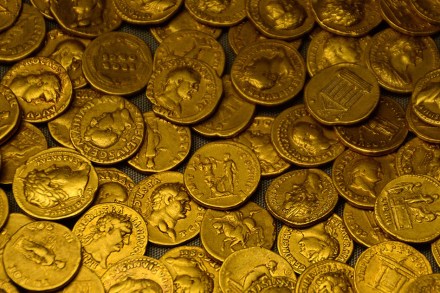
The Romans would tax anything
When Nero committed suicide in AD 68, he left Rome deep in debt after military campaigns, building himself a fabulous “Golden House,” and the great fire of Rome (AD 64). His successor Vespasian, who fought his way to power in late AD 69, set to work at once. A hardworking man of humble origins and simple tastes, Vespasian was well suited to the task: “He got up early, even when it was still dark, and read the letters and the official breviaria” (“reports”; Latin brevis, “brief”). He sold off some imperial estates and nearly doubled provincial taxes, while extending Roman citizenship.