The holocaust

The internet doesn’t know what a Nazi is

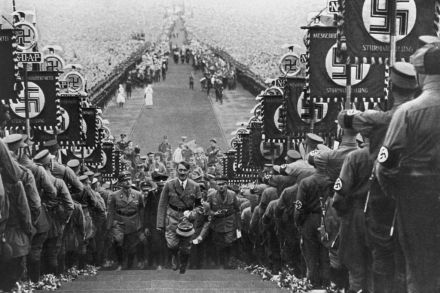
Two things happened online in the past week or so, both online, both quite mad. First was the spread of a podcast clip – hosted by “men’s health” influencer Myron Gains – featuring a rainbow coalition of Gen-Z Americans discussing whether Germany’s 1930s Jews had done something to make the Nazis hate them. They reimagined Hitler as someone who simply had to perpetrate a genocide because the Jews deserved it. The second event was an American Eagle jeans advertisement starring Sydney Sweeney. One of these moments caused a meltdown about the rise of Nazism, and it wasn’t the podcast.

Nazi Germany (Getty)

A chronicler of enormities

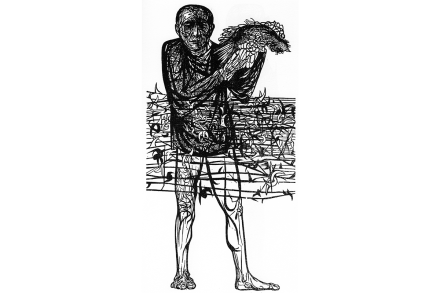
The Farnsworth Museum of Art, subject to New England winters up in Rockland, Maine, and consequently confined to a shorter calendar than most museums, made one of the bolder institutional decisions in recent memory: devoting part of its precious summer schedule to showing prints about the Holocaust. Moreover, these are the sublime and horrifying woodcuts of Leonard Baskin (1922-2000), executed in the last years of the artist’s life, which he spent contemplating the ravenous appetite that Death has for the Jews. Baskin was not to everyone’s taste, and the feeling was mutual. The critic Hilton Kramer called him a “macabre sentimentalist,” and that was only to denigrate the other artist he was reviewing at the time.

baskin

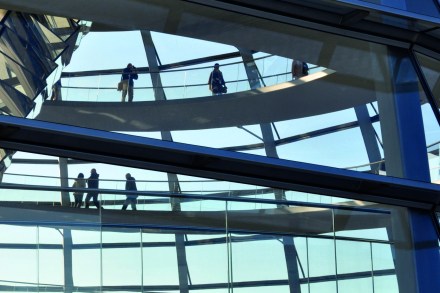
Berlin has always been a Faustian metropolis

Each time I return to Berlin, the wonderful, awful city where I spent the best days of my misspent youth, I pay a sentimental visit to Grolmanstrasse, where my German grandparents used to live. There isn’t much left to look at. Their apartment block was destroyed in 1945 in the Battle of Berlin. The site where it stood is now occupied by a children’s playground. For me, that empty space seems to symbolize the way Berlin has changed — mainly for the better, but at enormous human cost. So much has vanished — not just the buildings, but also the people who inhabited them. For my children’s generation, Berlin is a party town. For me, it’s a city full of ghosts. It is these ghosts that keep bringing me back to Germany’s battered, bombastic capital.

berlin

The doctor’s dilemma

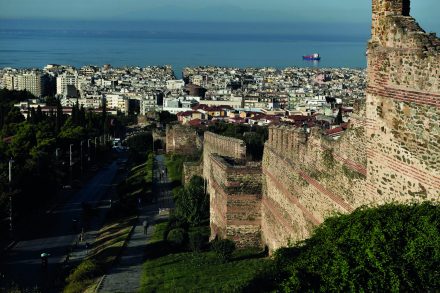
The facts are stark, if little known. Before World War Two, the Jewish community of Thessaloniki, Greece (Salonica, in its old Ottoman name) numbered over 50,000. Jews were this Mediterranean port city’s most numerous ethnic minority and had shared in many of its past glories. When the war was over, only 5,000, less than 10 percent, of the Salonica Jews survived. Between March 15 and August 10, 1943, the local Greek police, supervised by the SS, arranged the deportation of 45,000 men, women and children in 19 convoys, most of them bound for death at Auschwitz-Birkenau. My grandmother’s family was among them. Talking Until Nightfall is a grim and gripping family saga. It compiles the testimonies of three generations of the Matarasso family.