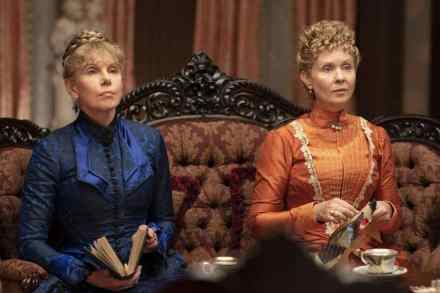
The gilded age

Emmy nominations 2024: shocks and surprises

It’s been an unusually good year on TV, and the Emmy nominations reflect a quality of both breadth and depth. The likes of Shogun, Slow Horses, Ripley and, of course, Baby Reindeer don’t come along very often, but for them all to be competing against one another is going to give Emmy voters quite the headache. Obviously it’s all but impossible to compare many of these shows; the genre-bending black comic horrors of Baby Reindeer simply aren’t more or less deserving than the elegant noirish depravity of Ripley, both of which are up for Best Limited Series, but the nature of awards is that one has to be accounted the winner, and Richard Gadd’s none-more-hyped show is likely to walk away with several awards, and deservedly so.


A diverting but unsurprising new history of the Astor clan

Mention “Astor” to most people and you immediately conjure up tales of fabulous wealth, the sort of Gilded Age beauty and excess expressed to perfection in the paintings of John Singer Sargent. The family name became synonymous at times with luxury and good taste, at others with greed, power and extreme snobbishness. The founder of the dynasty, John Jacob Astor, was a German immigrant and one-time fur trader who came to America in 1783 after the Revolutionary War. His descendants swiftly capitalized on his substantial achievements, creating a Manhattan property empire of unrivaled wealth. There was also plenty of Astor philanthropy and involvement in political and cultural life along the way but then, in the early twenty-first century, came a fall from grace as dramatic as the rise.

astor

The Gilded Age is a Bridgerton-esque disappointment

I am on record as being somewhere between weary and terrified of the threatened arrival of Downton Abbey 2 in our movie theaters imminently. But this is also tinged with sadness. When Julian Fellowes emerged with his screenplay for Robert Altman’s Gosford Park in 2001, it fizzed with wit and imagination. Now, he has seemingly become the go-to chronicler of English upper-class life, churning out increasingly nonsensical variants on the same story with greatly diminishing returns. So how does he fare when he turns his attention to American upper-class life? The new HBO series The Gilded Age attempts to answer this question. It primarily concerns two New York figures in the 1880s, who are schematically represented as "snobbish Old Money" and "arriviste New Money.