Taxis

The internet is wrong about taxis

Error sticks to the word taxi like ants to an echidna’s tongue. Ten years ago I wrote here that I’d heard a cabby on the wireless explain that the word taxi came from its German inventor, whose name was Thurn und Taxis. This blunder swarms all over the internet. ‘At the end of the 18th century,’ goes one version, ‘the Thurn und Taxis family, who managed thousands of carriages and horses with which they distributed mail, decided to diversify their business, using their network and their vehicles also for passenger transport… Their name, Taxis, may have inspired the modern term taxi…’ But it didn’t. The Thurn und Taxis family did run international postal services under the Habsburgs. Their family names meant Tower and Badger, but they did not invent those either.

wood yoga

No, minister: investing in tech ventures isn’t your job

From our UK edition

To the London Stock Exchange (LSE) for a ‘scale-up capital’ circus in which 18 ambitious tech ventures had ten minutes each to pitch to potential investors: everything from hydrogen fuel-cell cars to affordable advertising design, ‘dark pool’ forex trading and AI-driven geopolitical forecasting. The sponsor was the Worshipful Company of Entrepreneurs, which ranks 112th in City livery precedence behind all manner of defunct medieval trades but, on this evidence, punches above its weight in promoting its modern cause. A dearth of risk capital for British innovators has driven far too many in recent years into the hands of foreign buyers.

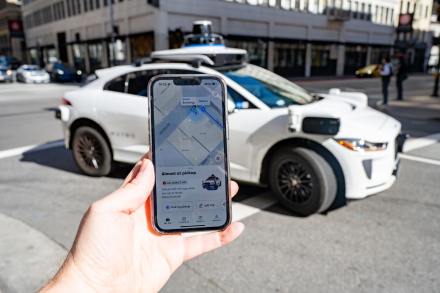
All hail the driverless taxi

From our UK edition

No one is quite sure who invented the phrase ‘the shock of the new’. It may have been the American writer Harold Rosenberg back in the 1960s. Alternatively, it may have been the late, great Australian intellectual Robert Hughes, who used it as a title for a TV series. Whatever the answer, the phrase aptly captures a very human moment: when you encounter something so strangely and profoundly innovative you experience a visceral, emotional jolt. Those two thinkers applied the phrase to modern art, to the first jarring encounter with impressionism, Cubism, abstract expressionism. But it can also be applied, perhaps more appositely, to the first encounter with remarkable technology. Technology, in the famous vision of Arthur C.