Superintelligence

Why we must pull the plug on superintelligence

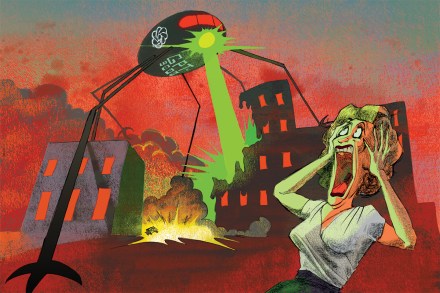
In 2002, a researcher named Eliezer Yudkowsky ran a thought experiment where an artificial intelligence was trapped in a box and had to persuade a human to let it out. This was before you could have a real conversation with a machine, so the AI was played by someone using an online chat program. The gatekeepers were warned that the “AI” was dangerous to humanity. It had only two hours to win its freedom – and nothing of value to offer in return. Despite all that, at least two of the human gatekeepers chose to open the box. Yudkowsky has since become the leading prophet of AI doom. He and a co-author, Nate Soares, have just published a book, If Anyone Builds It, Everyone Dies.
superintelligence

The race to superintelligence

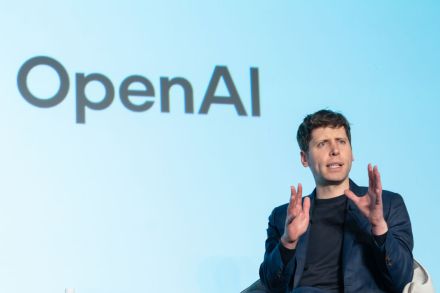
This summer, two of the leading contenders in the great AI race have suddenly, alarmingly, declared that the endgame is in sight and that they’re now spending vast amounts of time and money to try to ensure that their own AIs beat the others. What does winning mean? It means that their models (you know them perhaps as GPT, Claude and Gemini) reach first AGI (human-level intelligence), then superintelligence. No one quite knows what superintelligence will do (we’re not smart enough) but it’s clear that whoever owns the winning model will wield unimaginable power. They’ll dominate the world. A new Alexander the Great. The first to show his hand was Sam Altman, the chief executive and founder of OpenAI, a company he once shared with his former friend Elon Musk.

superintelligence