Steve Jobs

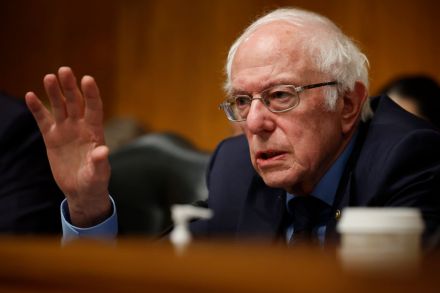
The thirty-two-hour work week: another of Bernie’s bad ideas

Bernie Sanders is the bottomless cup of bad ideas. He keeps refilling it. Take his latest venti, a law that says everybody gets to work thirty-two hours for forty hours pay. That’s a magical 25 percent pay increase. His next trick is to pull free steak dinners out of a hat. What do you think would actually happen if such Bernie’s law were passed, enforced and found constitutional? (None of those would actually happen, of course.) The immediate effects would be another 25 percent price increase for labor-intensive products, a huge burden on low-income consumers and an additional incentive to replace more expensive workers with machines and computers.
bernie sanders

Nothing makes technology transparent again

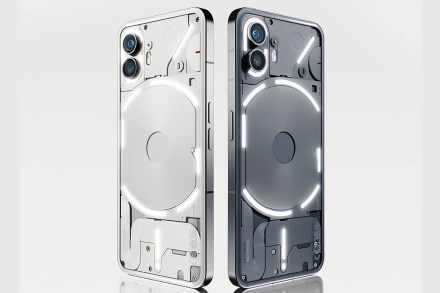
Consumer technology is, usually, profoundly dull. I love technology, but even I must concede the undeniable. A new pair of light gray, plastic cupped, noise-canceling headphones are functional, and often great, but they hardly get the blood rushing. Yet another gray Windows notebook has released! I struggle to stifle a yawn. And then — worst of all — are the phones. In the sixteen years since the first iPhone debuted, smartphones have become ubiquitous; the market is so large and flooded that innovation is no longer worth the risk. Phones are not cool new devices, but tools. You don’t care how a hammer looks; you care about the price and if it can hit a nail. The latest iPhone is a tool for accessing the internet and taking selfies. Most Android phones are the same but cheaper.

Photo courtesy of Nothing

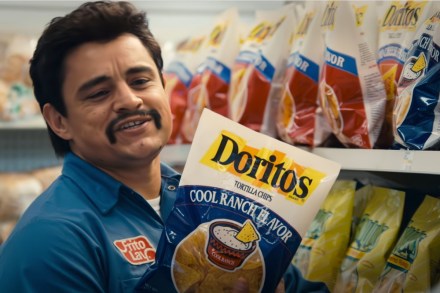
With Flamin’ Hot, Hollywood again makes a hero of the businessman

It always used to be that, in Hollywood movies, big business was seen as a force for ill rather than good. Leaving aside that the films themselves were financed by giant studios hellbent on making a profit, such classics as Frank Capra’s It’s a Wonderful Life and Charlie Chaplin’s Modern Times firmly took the side of the individual against the system and presented the corporate world as a faceless and uncaring one — if, that is, it wasn’t simply a criminal one altogether, as best expressed by Lionel Barrymore’s sneering robber baron Potter in Capra’s film. Today, things have changed immeasurably.

flamin’ hot

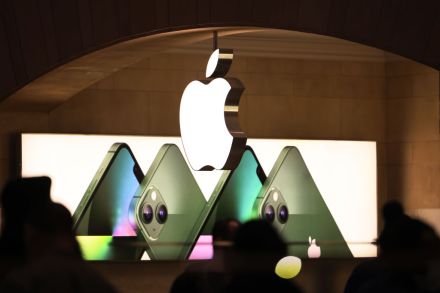
The golden noose around Apple’s neck

"Innovation comes from saying no to 1,000 things to make sure we don't get on the wrong track or try to do too much,” said the late Steve Jobs. “We're always thinking about new markets we could enter, but it's only by saying no that you can concentrate on the things that are really important." These days, Team Apple is all about finding new markets, no matter how removed they are from the company's core focus. Jobs once flirted with an advertising-supported operating system but ultimately gave it a pass. Now, in a strange twist, Apple is doing just that — selling ads in its services that are part of its platform. It wants to become a pooh-bah of digital advertising (it had tried before in 2010 with iAds, an effort that fizzled out).

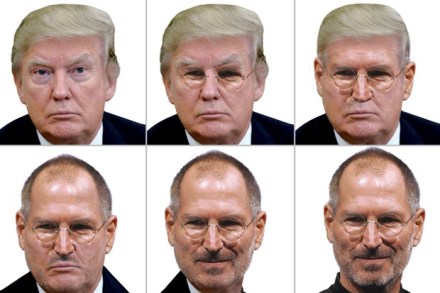
What if Donald Trump is the Steve Jobs of politics?

I can understand some people not liking the current president of the United States. As Conrad Black put it recently, ‘Donald Trump is a strange cat and an acquired taste.’ What I don’t understand is people who should know better being afraid of Donald Trump. For example, how can it be that among all the experienced, eccentric and supposedly visionary denizens of Silicon Valley, only Peter Thiel recognised that Donald Trump is cut from the same cloth as the most celebrated tech titans: a disruptor, an innovator, a maverick, and an up-and-coming ‘crazy one,’ in the mould of the myth-makers to whom the famous 1980s Apple ads paid homage?