Another grim reminder of Japan’s violent politics
From our UK edition
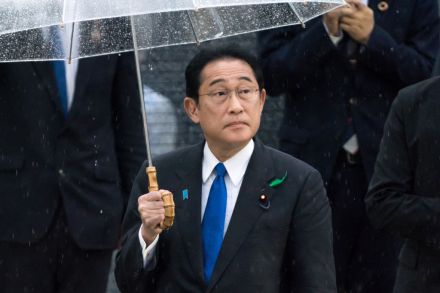
Has Japanese Prime Minister Fumio Kishida just survived an assassination attempt? Kishida was evacuated from the site of a stump speech in the fishing port of Sakizaki in Wakayama western Japan after what appeared to be a pipe bomb was thrown in his direction. No one was injured but people fled in terror after the attack, which occurred at around 11:25 AM shortly before the PM was due to speak. A man was wrestled to the ground clearly holding a cylindrical metal object identical to the one thrown at Kishida before being arrested and taken away. That’s as much as we know for now. It is not clear yet whether the ‘explosive’ was capable of killing anyone.