Sauerkraut

Why sauerkraut was a savior for sailors

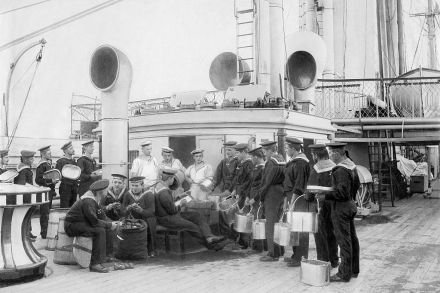
In the late 18th century, scurvy was killing around 50 percent of British mariners on long-haul journeys – more than shipwrecks, battles and all other diseases combined. Between 1500 and 1800, the illness had claimed roughly two million sailors’ lives. On the disastrous 1740 expedition around Cape Horn led by Commodore George Anson, of the 1,854 men who departed, only 188 returned. The vast majority had died from scurvy. By the mid-18th century, the Royal Navy was desperate for a remedy. They noticed that, contrary to their struggles, the Dutch were losing hardly any men to the illness.

The pleasure of reliving foreign travel through food

From our UK edition

The idea of the kitchen as a space for transformation and transportation is not a new one. Many writers have explored the room’s ability to offer both domesticity and alchemy at the same time – how it allows cooks to travel vicariously through the food they make. This is the subject of Cold Kitchen, Caroline Eden’s memoir of her time spent in her kitchen in Scotland and of her travels to Eastern European and Central Asian cities – and somehow she makes it fresh and compelling. She is an author and critic who has written extensively about the food and culture of the countries of the former Soviet Union. Black Sea, in which she explored Odessa, Istanbul and Trabzon, received a clutch of prizes, and Red Sands, about Central Asia, won the prestigious André Simon food book award.