Sanskrit

Sleepless in Shangri-La

“You are suffering from what we call an ‘Alice in Wonderland’ effect,” Dr. Sankar informed me as I climbed out of a rabbit hole. I was late for a very important date to discuss my sleep (or lack thereof). “When you fall asleep,” he continued, “your thoughts race, and you think: What should I be doing? What do I need to do? Where am I? Where am I going?” I had fallen head-first into another wonderland: Ananda in the Himalayas. Located in the foothills of the Himalayas in northern India, Ananda – which translates to “happiness” in Sanskrit – is a world-renowned holistic retreat that towers above the bustling city of Rishikesh and the sacred Ganges River.

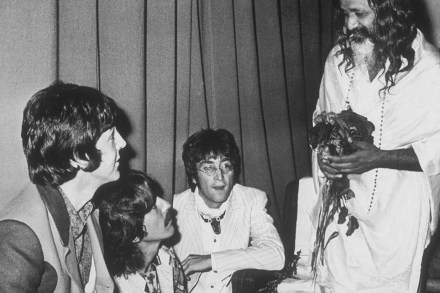
The problem with westerners seeking oriental enlightenment

From our UK edition

Call it a prejudice if you like. Living in Japan in the 1970s, I had a slight aversion to a particular type of westerner. He – for it was mostly a he – usually lived in Kyoto, sometimes wore a kimono and liked to sit in ancient temples chasing after that presumably blissful moment of enlightenment, awakening, satori, or whatever one wishes to call it. These seekers were less interested in Japan as a society of human beings. They wanted to float in higher spheres. As Christopher Harding explains in The Light of Asia, the Zen adepts, the Buddhist chanters, the rock-garden worshippers, the kimonoed fools (in my no doubt blinkered eyes) were part of a long western tradition. He identifies two ancient western perceptions of the ‘East’, by which he really means India, China and Japan.