Russian revolution

The Marxist writer who railed against Lenin

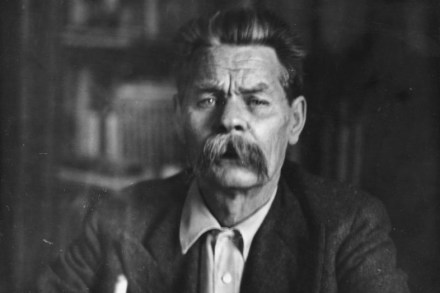
The writer Maxim Gorky edited the Menshevik newspaper New Life during its short run from May 1, 1917 to July 16, 1918, before Vladimir Lenin gave the personal order to shut it down. Gorky was a one-time friend of Lenin’s and a committed socialist (when Lenin gave the order to shut down New Life, he is reported to have said, “Gorky is one of us”), but he was also a frequent critic of the Bolshevists. In his column for the paper, which ran under the heading “Untimely” — because it focused on culture and morality rather than on practical matters of the revolution — he complained frequently about the politicking of party leaders and the stupidity of the masses.

Fall and decline

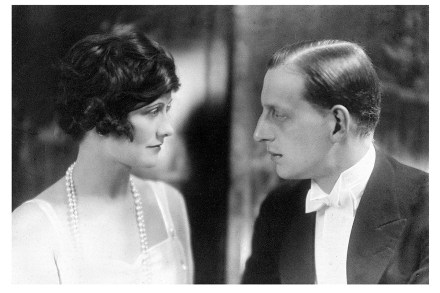
In December 1921, a twenty-two-year-old Ernest Hemingway, then the European correspondent for the Toronto Star, came across the oddest group of immigrants in history — the White Russians who had fled the Bolshevik Revolution. “Paris is full of Russians,” Hemingway told his readers. “They are drifting along in Paris in a childish sort of hopefulness that things will somehow be all right, which is quite charming when you first encounter it and rather maddening after a few months. No one knows just how they live, except by selling off jewels and gold ornaments and family heirlooms that they brought with them to France.” Hemingway neatly summarized the meat of this gripping latest book by Helen Rappaport, the author of The Romanov Sisters and Caught in the Revolution.

russian