Romantics

The chameleonic life of Claire Clairmont

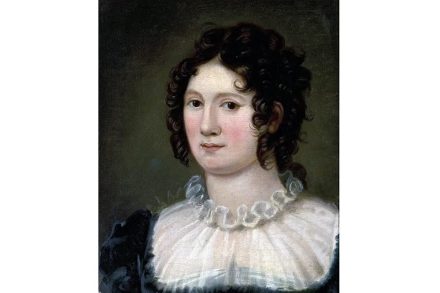
Commentary on the young Romantics can be curiously puritanical. Not on saintly John Keats, who died too young to cause any trouble. But Byron and Shelley? Beastly to women, negligent as parents, destructive as friends, oblivious to their own privilege. Feminist observers tend to resemble the English visitors to Geneva in 1816 who borrowed telescopes to spy on the renegade inhabitants of the Villa Diodati across the lake, hoping to be scandalized. A central character in the summer that saw the birth of Frankenstein was the only non-writer of the villa’s gathering, Byron’s young lover and Mary Shelley’s stepsister, Claire Clairmont.
Clairmont

The shocking story of Charles and Mary Lamb: Slightly Foxed podcast reviewed

From our UK edition

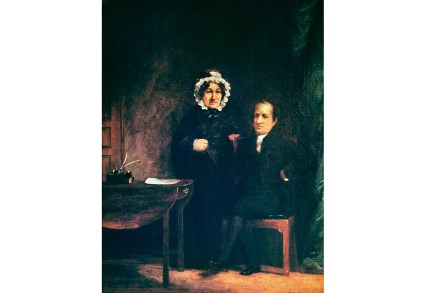
The Slightly Foxed podcast, like the quarterly and old bookshop of the same name, is almost muskily lovely. It’s the sort of thing you can imagine listening to with a dog at your feet and whisky by your side in a draughty Mitfordesque folly. Ordinarily, you might attribute its homeliness to the fact that it is recorded around a kitchen table. But with the hosts now socially distanced across the country, and it feeling just as cosy, you realise that the atmosphere must derive from something else. In the latest episode, Philippa, Hazel and Gail were joined down the line by biographer Felicity James to discuss the early 19th-century writers Charles and Mary Lamb.

What on earth has happened to Simon Schama: The Romantics and Us reviewed

From our UK edition

‘You may think our modern world was born yesterday,’ said Simon Schama at the beginning of The Romantics and Us. If you do, though, I can only imagine that you’ve never seen any history documentaries on television — where, as a rule, the modern world is born in whatever period the documentary happens to be about, from Ancient Rome to the 1980s. After all, how can the past possibly be interesting if we can’t see ourselves reflected in it? As the title indicates, Schama’s choice, this time, of an era important enough to lead to us was the romantic movement.