Always second but actually invincible: Agrippa, by Robert Harris, reviewed
From our UK edition
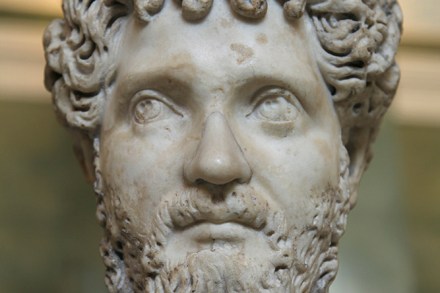
Any readers of Robert Harris’s new novel who aren’t ancient historians might be surprised to discover what an important figure Marcus Vipsanius Agrippa was: Caesar Augustus’s right-hand man since they were at school together; the builder of some of Rome’s most significant buildings; the winning commander in several battles that changed history; even, as Harris puts it in an afterword, ‘the effective co-ruler of the Roman world for many years’. Happily, that same afterword also suggests that such ignorance of Agrippa’s achievements isn’t necessarily our fault – because Augustus ‘all but effaced his closest comrade from the official record’. This, of course, leaves a handy gap for the novelist to fill. But how to fill it?