Rococo

How French absolutism powered a techno-progressive revolution

From our UK edition

The Enlightenment is back. Despite the best efforts of the past decade of handwringing about cultural imperialism and wailing over machismo, money and majesty, the future keeps crashing in. The Science Museum has now laid its cards on the table with Versailles: Science and Splendour. Think gilt, not guilt. Is there anything in our lives that could compare to witnessing the first successfully grown pineapple? It’s marvellous, and unusual these days, to visit an exhibition and feel the colossal force of history without anyone bashing you over the head with infantile morality tales. Expanding on a 2010 display at the Palace itself, lead curator Anna Ferrari ought to be saluted for this unabashed celebration of genius – perhaps with a three-hour firework display.

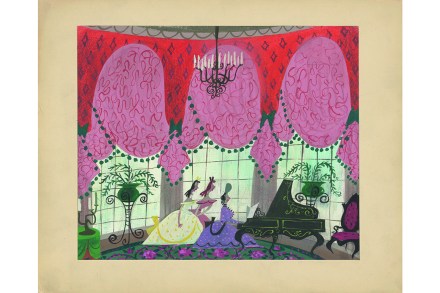
Disney’s rococo roots

From our UK edition

Extensive research went into the writing of this piece. First, I lay on the sofa watching Disney’s Cinderella. Then, Beauty and the Beast. Then, because I’m assiduous about these things, Frozen. The singalong version. I wish I could tell you that the sofa was a rococo number with ormolu mounts and a pink satin seat, but that would upholster the truth. My excuse – who needs one? – was the Wallace Collection’s delightful exhibition Inspiring Walt Disney: The Animation of French Decorative Arts. It’s not often that I leave a show smiling, humming and near enough twirling my way through the West End. Bibbidi-bobbidi-boo.

How did Walt Disney learn from Ancien Régime decoration?

"Make it pink! Make it pink!” says the chubby fairy Flora, aiming her wand at Princess Aurora’s new ball gown in Walt Disney’s Sleeping Beauty (1959). A few magic sparks must have fallen on the walls of Disneyland’s Sleeping Beauty Castle in Anaheim, California, which have been painted (and repainted) in several shades of cotton-candy pink since the faux fortress opened in the summer of 1955, well before the film itself was completed. Two centuries earlier, in 1757, Jean Hellot, the general inspector of the porcelain factory at Sèvres, invented the slightly deeper “rose Pompadour,” a ground color named in honor of Louis XV’s chief mistress and the factory’s most important patron. This pink appears on the scallop-patterned lids of two large Sèvres vases (c.

disney

Why I will miss our mighty cooling towers – and I suspect I am not alone

From our UK edition

One afternoon earlier this summer we drove through Rugeley in Staffordshire. There, looming above the A51, were the cooling towers of the power station: a pinkish red, resembling terracotta, with curving convex sides, like modernist vases on a pharaonic scale. At 385 feet high, they were a little taller than the dome of St Paul’s Cathedral. We remarked on how surprisingly good they looked as we passed them on 4 June, en route to a spot in the Staffordshire countryside where we were going to stay. On 6 June there was a distant rumble like thunder but we thought little of it. However, that evening when we glanced at the horizon there was a gap where the towers had been.