Repression

The trouble with communism began with Plato

Immediately after the Berlin Wall came down and the Soviet Union collapsed, during the brief ‘end of history’ period, there were several books, from the right and the left, that covered similar territory to Paul Mason’s surprising and provocative Reds. But there has been almost nothing of the kind – a comprehensive narrative history of the ideology and the politics of communism – for a couple of decades. Communism had seemed so dead, so defeated, so apparently unable to rise again, even to those who once purported to believe in it, that interest became minimal, confined to a few university history departments offering courses on the Cold War. As Mason writes: ‘To everyone born after 1989… communism seems like a distant nightmare.
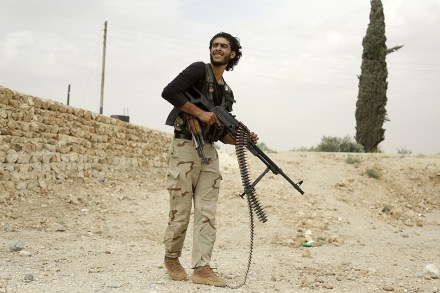
How Syria’s dream of freedom ended in further repression

Anand Gopal has form when it comes to war. In Afghanistan, distrustful of President Bush’s ‘good vs evil’ and ‘you’re either with us or against us’ narrative, he did what every good reporter does: ‘I learned the language, grew a beard and hit the road like a local.’ The result was No Good Men Among the Living: America, the Taliban, and the War through Afghan Eyes, a Pulitzer and National Book Award finalist. In its refusal to stick to the script – especially American and British propaganda about all the ‘progress’ which later proved so illusory – the book recalled Michael Herr’s classic Vietnam exposé, Dispatches.

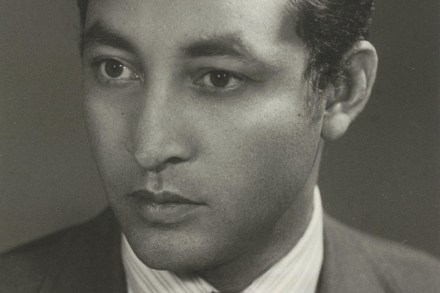
Rebellion and repression: Oromay, by Baalu Girma, reviewed

‘We don’t want a James Bond adventure here,’ warns a jumpy spymaster as he grapples with an anti-state conspiracy in Oromay. Among other strands, that’s precisely what this fabled Ethiopian novel of 1983 delivers. Which is remarkable, given that Baalu Girma’s semi-autobiographical thriller of rebellion and repression, love and war, has been translated from Amharic. The ancient Semitic tongue of Ethiopia served as that nation’s official language long before English came to rule at court, and in courts. Girma was both a journalist and a novelist, educated in the US and an editor of English-language magazines in Addis Ababa. He evidently relished the various genres adroitly mined in Oromay.