Renewable energy

Meet Meredith Angwin, the grandmother changing the energy industry

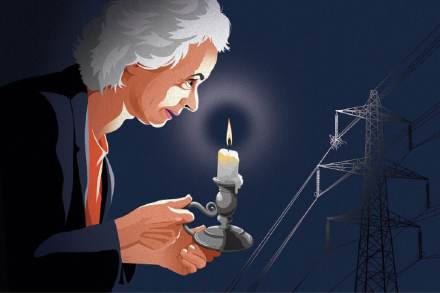
Along a twist in the Connecticut River within an old-style colonial Vermont home lives Meredith Angwin, the Jewish grandmother who saw what almost no one else did: the coming downfall of the American electrical system. Three years ago, Angwin self-published Shorting the Grid: The Hidden Fragility of Our Electric Grid, the first-ever explanation for laymen of America’s labyrinthine, abstruse power markets. Her diagnosis was simple and troubling: when America moved away from the monopoly utility system in the Nineties toward restructured electricity markets, all players were divested from the responsibility of keeping the lights on.

Angwin

Nuclear power is the answer to our energy woes

America is about to spend $126.9 billion on renewable energy thanks to the Inflation Reduction Act. When this is added to the already existing production tax credits, the total is $240 billion. Greens everywhere are rejoicing. Paul Krugman took to the New York Times to wonder if the Democrats had just saved the world from climate change. And why not? America has seen emissions drop to 4.8 trillion tons a year since 2000. That’s a one-trillion ton decrease. In fact, since America has embarked on building out wind and solar, the country has returned to 1949 levels of emissions. But are renewables really to thank? After all, wind and solar only accounted for about 12 percent of our electricity supply in 2021.

nuclear

Energy independence is a false hope

In the wake of Russia’s attack on Ukraine, gasoline and energy prices soared in the United States. While they’ve come down a bit since, it’s worth examining why war in Eastern Europe caused a spike in prices thousands of miles away — and whether a common proposal in response would have made a difference. Over the last decade, Republicans and Democrats have made “energy independence” a major policy priority. The goal in a nutshell is to produce the energy we need at home, so that the United States is more insulated economically from international disputes abroad. On this goal, advocates have made progress — in fact, the United States is already energy independent by some measures.

energy

Energy is the most important issue in the world

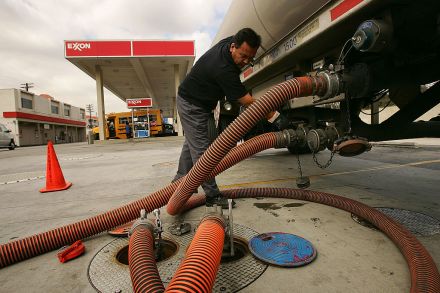
One issue more than any other will dominate airtime and influence policy in 2022: energy. Americans are seeing the highest prices at the pump in seven years. Since Biden took office, average gas prices are up by more than $1 a gallon. In November, gas prices in Mono County, California hit more than $6 per gallon, forcing some residents to drive to Nevada (where gas taxes are lower) to buy fuel. The price of natural gas in the US is at its highest in seven years, and up more than 180 percent in the last year alone. In Europe, the situation is even worse. Europe’s gas reserves are at record lows. In Germany, which already had the EU’s highest energy prices, bills are up 30 percent in a year.

energy

Build Back Better was doomed from the start

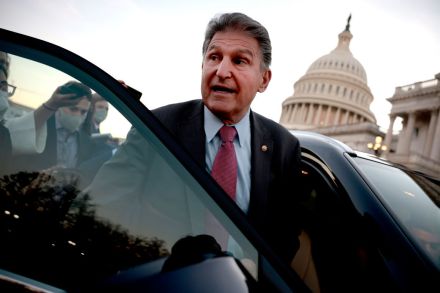
Joe Manchin was never going to vote for Build Back Better. Now that he's declared himself a "no" and all but killed President Biden's titanic spending package, it's time for Democrats to admit as much. To be sure, Manchin has played well the role of centrist negotiator. He's furrowed his brow and raised pragmatic concerns over renewable energy and inflation. He's huddled with his fellow Joe at the White House and won plenty of concessions. He's provided chum for bored (and boring) political analysts, as analyzing him and his fellow holdout Kyrsten Sinema became a kind of Kremlinology for the Twitter-addicted. But such breathless parsing forgets one simple fact: all politics is local.

joe manchin build back better

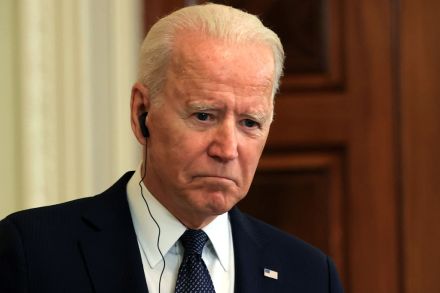
Biden walks naked into a climate conference

Nye Bevan, the British socialist, famously denounced the nuclear unilateralists in his party for sending a future foreign secretary 'naked into the conference chamber’. Unless Congress passes the stalled budget reconciliation bill, President Biden will fly to the COP26 Glasgow climate conference, which starts in less than three weeks’ time, in a similar state of undress. Before the Paris agreement in 2015, UN climate change conferences were about hammering out the texts of binding climate treaties and agreeing to emissions reduction targets. All that has changed. Climate change targets are now decided in advance by individual countries in their Nationally Determined Contributions, draining climate conferences of drama and turning them into a giant show-and-tell.

climate