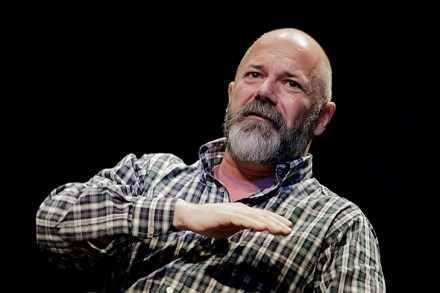
Andrew Sullivan’s false gods
Reading Andrew Sullivan reminds me of a Latin tag the novelist Iris Murdoch favored: corruptio optimi pessima: the corruption of the best is the worst. Sullivan is an intelligent and well educated man. He is capable of writing quite movingly about religion, especially about the challenges our media-saturated age — we really are, as T. S. Eliot put it, ‘distracted from distraction by distraction’ — pose to that reservoir of quiet thoughtfulness that any spiritual life worth the name requires. Back in 2012, Sullivan wrote a little paean to St Francis, a well-to-do young man, who sold everything he had and devoted himself to a life of poverty and renunciation, practices that Sullivan described as the ‘core’ of Jesus’s message.