Reggae

The horror of London’s music venues

From our UK edition

There were headlines last month about the plight of live music in Britain. More than a third of grassroots venues are making a loss; more than 100 of them are ceasing to put on live music or closing altogether. Cue the stories about how, if it wasn’t for these broom cupboards giving musicians the opportunity to learn their trade, you’d never have got all those acts you know and love. All true, of course. We need small venues, and not just for the health of the music industry but for the simple pleasure of sipping a pint watching a young band in a small room. What use is a venue when a couple of hundred people can’t even see the stage? But dear God, the bigger venues that accommodate graduates of the grassroots circuit need to up their game, too.

The power of cultural reclamation

From our UK edition

‘Version’ is an old reggae term I’ve always loved. It refers to a stripped-down, rhythm-heavy instrumental mix of a song, traditionally dubbed onto the B-side of a single. On paper the concept sounds throwaway, and often it was. Over time, however, using reverb and a fair degree of ingrained madness, pioneering Jamaican producers such as Lee ‘Scratch’ Perry, King Tubby and U-Roy twisted ‘versions’ into mind-bending shapes. Time-stretched DJs toasted new rhymes over the top, and dub was born, an art form built from borrowed parts and hair-brained ingenuity. The notion that popular music is now obsessed with recycling old content is not necessarily fanciful, but it can be reductive.

How Trojan Records conquered the world

From our UK edition

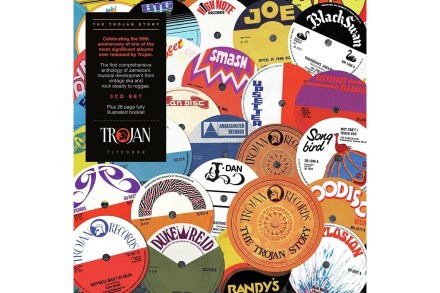
When Trojan Records attempted to break into the United States music market in the early 1970s, it hit an insurmountable barrier: the company shared its name with America’s most popular brand of condom. ‘It was a case of commercial coitus interruptus,’ says Rob Bell, at the time the label’s production manager. In America, Trojan signified rubber, not vinyl. The label proved to have greater staying power in the UK, where it was at the forefront of popularising Jamaican music.

Back to my Toots

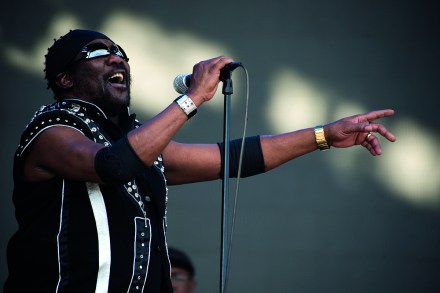
Pop music is tribalist by nature and divisive by desire. It was always the Beatles or the Stones, mods or rockers, burn the Beatles’ records or ‘hang the DJ’ and, most important of all, Bob Marley or Big Youth? (The answer is Big Youth.) Only one man transcended this nonsense: Frederick Nathaniel ‘Toots’ Hibbert. Anyone who has heard Toots but doesn’t dig his mighty soul skank should be cast into the wilderness for 40 days and 40 nights of good, hard thinking. Toots died on September 11 in his native Jamaica. He was 77, allegedly the victim of complications from COVID-19. The man may have gone, but his vibrations will live on as long as mankind has ears to listen and feet to dance.

toots