Refugee camps

‘I shall always want to say thank you to this country’: the gratitude of a former kindertransport refugee

From our UK edition

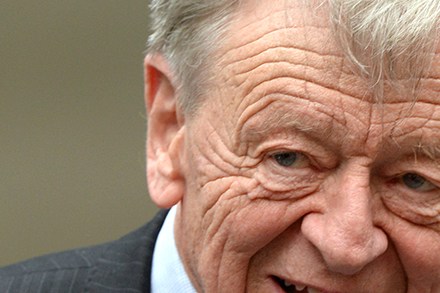
For all that it is an anachronism, the House of Lords contains some remarkable specimens, not least Alf Dubs. The child of a mixed marriage – his father was Jewish, his mother not – he arrived in this country from Prague on one of the kindertransports organised by Sir Nicholas Winton, with his possessions in a knapsack and a luggage label on his coat identifying him. Many of his Jewish compatriots were not so lucky and perished in the death camps. He was fortunate in another respect, too. Unlike with many of his companions, his father had already made it out and was there to greet him. His mother eventually managed to join them, arriving in the UK just four days before the outbreak of war.
A Canadian’s experience of the migrant’s ordeal

From our UK edition

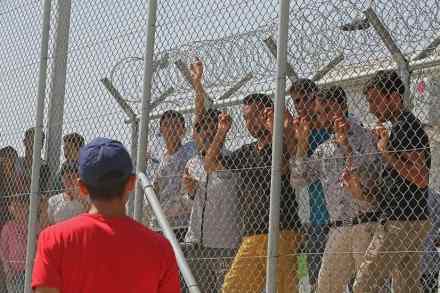
No one boards an overladen dinghy and sets out across a choppy sea without very good reason. Laden into migrant boats go backstories as well as bodies: tales of war-hit homes and bloodied police cells, of empty larders and decrepit schools. But illegal migration is as much about what lies ahead as what’s left behind: the hope of a better life, the chance to start anew. That was certainly the case with Omar, a young Afghan taxi driver and former interpreter. Back when the Canadian-born freelance correspondent Matthieu Aikins first arrived in Kabul, the Corolla-owning Omar had been a single gung-ho guy about town. Seven years later, with foreign troops drastically reduced and dollar contracts hard to find, life was looking far less rosy.