Reform

‘I identify with Daenerys Targaryen before she went mad’: an interview with Kemi Badenoch

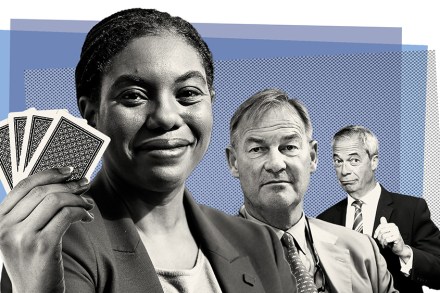
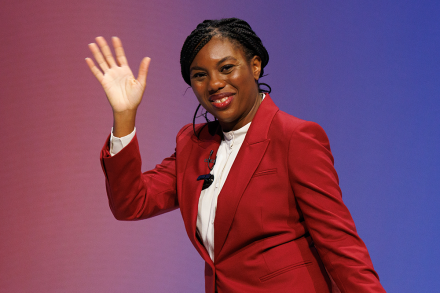
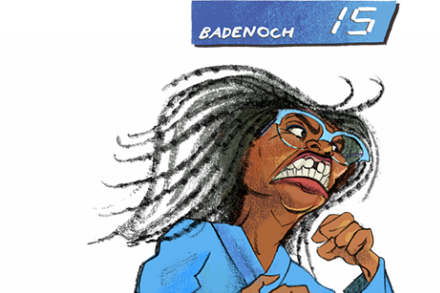
There was a moment backstage, before I interviewed Kemi Badenoch for a Spectator event, when I felt like John Sergeant with Margaret Thatcher bearing down on him as he pronounced her leadership in difficulty. I suggested to Badenoch that she was a rare example of a politician I had changed my mind about. “You mean you were very negative before?” she said, fixing me with the full alpha female glare. I muttered something placatory, but the truth is that a year ago I thought she was rubbish – and that was the mainstream view in her own party. She was arrogant, flat-footed, absenting herself from a stage that was being dominated by Nigel Farage, resistant to advice, convinced she was great at PMQs when even Keir Starmer was wiping the floor with her.

kemi badenoch
restore

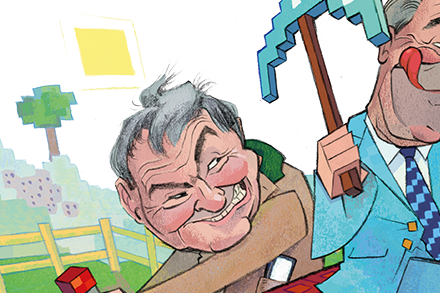
Can Reform see off the threat from Restore?

Nigel Farage has always prided himself on being able to see off any threat from his right flank. But now a new force has emerged in the form of his ex-colleague Rupert Lowe. When the two Reform MPs fell out 15 months ago, friends shared memes of Farage’s past fallen rivals ascending to heaven. “Come and join us, Rupert!” they exhorted. Instead, Lowe fought back, setting up his own party, Restore Britain. In the Makerfield by-election on June 18, one poll puts Restore on 7 percent – enough to stop Reform and hand the seat to Labour’s Andy Burnham. Restore’s strategy is simple: use Farage’s playbook against him. Like Farage, Lowe has put his faith in social media, building up a noisy following that can then be turned into a campaigning force.

The UN gets ready for hell week

Every year in late September, the east side of Manhattan morphs into a giant sea of immovable cars. The culprit: the annual United Nations General Assembly debate, where diplomats from around the world fly to New York to shake hands, give speeches, and participate in dozens of side meetings and events throughout the city. This week’s UN General Assembly debate, however, is unique. For the first time since the UN was established after World War II, the meeting is occurring amid a large, deadly, conventional conflict in Europe. The war in Ukraine, which will cross its eight-month mark this Saturday, will dominate the session from beginning to end.