Ransomware

The dark side of DarkSide

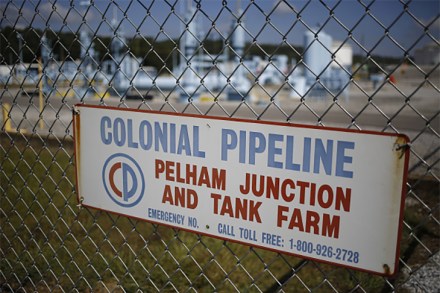
On a normal day, the Colonial Pipeline carries up to three million barrels of oil 5,500 miles from the Southern United States to New York, providing 45 percent of the East Coast’s fuel needs. On Friday, the oil stopped flowing. The pipeline was shut down after the operating company was hit by a cyberattack. Two days later and the pipeline is still sitting idle, and companies are scrambling to try and secure supplies of oil, diesel, jet fuel and gasoline. The cyberattack raises international suspicions. Was it China? Russia? Those countries specialize in such actions. The NSA however has been briefing that the culprit was an unusual cybercrime outfit known as DarkSide. DarkSide’s business is ransomware.

darkside

The risks and rewards of ransomware

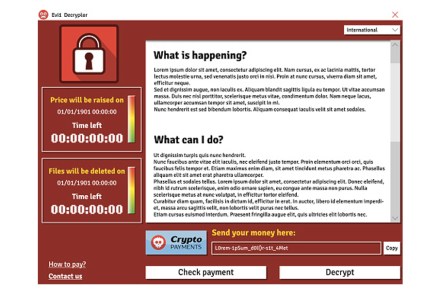
Ransomware, the locking up of large networks through hacking until payment is made, is exploding. Recent attacks have crippled more than 200 city and local government networks in Baltimore, Albany and Atlanta, while specific hacking tools have been successfully used against mortgage companies, universities, hospitals, banks and consulting firms. A report this month from the cybersecurity firm, Emsisoft, reveals that the cost of ransomware in the US last year was over $7.5 billion, involving 113 state and local governments, 764 health care providers and 1,233 schools. In 2018, the FBI received reports of 1,500 ransomware attacks (the latest available FBI figures) which does not include hundreds of attacks that were never reported with ransoms secretly paid.

ransomware