Radicalisation

What precipitated a worldwide total war in the 1930s?

From our UK edition

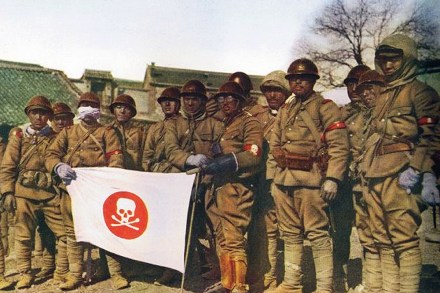
More than 80 years after it ended, we are still living through the aftermath of the second world war. When people use the word ‘postwar’ they invariably mean this war and the changes it wrought upon international relations, trade, economics, domestic politics, social values and much more besides. Yet it remains all too easy, certainly in the English-speaking world, to cleave to a rather parochial view of that conflict as something that ended up spreading to lots of exotic places while still ultimately concerning the great battle between good and evil that was the Allies vs the Nazis. Can there be any corner of Hitler’s psyche, any charming detail of the home front in Britain, which remains unprobed in books, TV programmes and museum exhibits?
How can we save youngsters from getting radicalised?

From our UK edition

Arrests for terrorist-related activity give a worrying insight into the rate at which young people are being targeted and radicalised. All age groups witnessed a fall in terror-related arrests for the year ending September 2020, except for one: those under eighteen, which doubled to account for eight (and subsequently 10) per cent of all such arrests. This is the highest proportion ever seen in any annual period to date. We also know that, all too often, the friends and relatives of those who are in danger of becoming radicalised are failing to act on their concerns. Referrals to Prevent, which aims to 'stop people becoming terrorists or supporting terrorism', saw an overall increase of 10 per cent in the year to March 2020.

A ponderous parable for our times: The Wondrous and Tragic Life of Ivan and Ivana

From our UK edition

Twins are literary dynamite. For writers, they’re perfect for thrashing out notions of free will, the pinballing of cause and effect and fate’s arbitrariness. One twin reflects the other, darkly: living proof of the road not taken, the life not lived. In Maryse Condé’s The Wondrous and Tragic Life of Ivan and Ivana this point is rather laboured — literally, as we first meet the titular pair when they are dragged from the ‘warm and tranquil abode’ of their mother’s womb. They emerge bawling into contemporary Guadeloupe, where their mother Simone ‘works herself to the bone in the sugarcane fields’. Things don’t improve much when they seek their fortunes abroad, first in Mali, then in France.

How Brighton’s gangs became increasingly radicalised

From our UK edition

Between October 2013 and January 2014, five teenaged boys from Brighton, three of them brothers from a family called Deghayes, travelled to Syria to join Jabhat al-Nusra, an Islamist militia and one of the main jihadist groups fighting the Syrian army. A dozen more young people from Brighton were also eager to go. Radicalisation had swept through the group like a ‘contagion’, catching parents and police unawares and baffling counter-extremism experts. In his disturbing No Return, Mark Townsend traces the various hidden causes of the Deghayes case, events that he claims ‘transformed the entire approach of the government’s counter-extremism programme, both in policy and ideology’.