Prince albert

The imaginative genius behind the Great Exhibition

From our UK edition

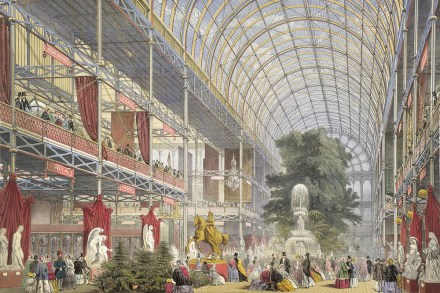
If you want to understand Victorian Britain, look to the Great Exhibition of 1851. At a time of unprecedented technological change and international rivalries, this event gathered the finest art and the latest manufactured goods from around the globe and displayed them for almost six months to more than six million visitors in the magnificent Crystal Palace on the southern perimeter of London’s Hyde Park. Its success generated a profit of £186,000, or around £20 million today. The aim was not simply spectacle; in the spirit of the age it was also pedagogic. So this sum was used to buy 86 acres of fields and market gardens in the adjacent suburb of Brompton, where new institutions could be built to further the broad objectives of the Royal Commission behind the exercise.
How Margaret Thatcher could have saved London’s skyline

From our UK edition

Looking around London on the eve of the millennium, it would have been difficult to think that the UK government had an adviser on architectural design. The 1990s had been a dismal decade. Yet such a body existed in the quaintly named Royal Fine Art Commission, refounded in 1924. The original Commission had been created as a way of giving Prince Albert, recently married to Queen Victoria, something to do – contriving the decorative scheme for the new Palace of Westminster. Fresco, the chosen medium, was not ideal in that damp position beside the Thames since the plaster took three years to dry; and the Duke of Wellington did not help the project by declaring he could not remember having met Blücher on the field of Waterloo, as depicted by Daniel Maclise.

From Prussia with love

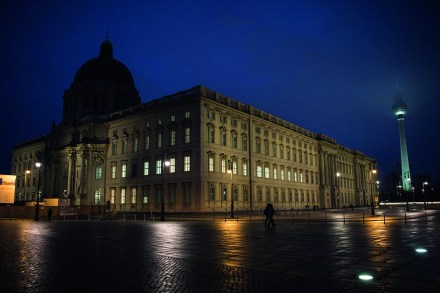
‘What a loss is the excellent Humboldt. You and Berlin will both miss him greatly,’ Prince Albert wrote to his much-beloved daughter Vicky, Crown Princess of Prussia, on news of the death of the author, explorer and celebrity Alexander von Humboldt in 1859. ‘People of this kind do not grow upon every bush [‘an den Blumen’] and they are the grace and glory of a country and a century.’ After some delays and bad luck, the grace and glory of the Humboldt name flourishes once again with the opening of the Humboldt Forum. Annoyingly digital to begin with, the launch in January of the Forum signaled the culmination of Berlin’s Museum Island restoration program and, with it, the crowning of the capital’s place within contemporary European culture.

humboldt

Ignore the activists – Humboldt’s Enlightenment project deserves celebrating

From our UK edition

‘What a loss is the excellent Humboldt. You and Berlin will both miss him greatly,’ Prince Albert wrote to his much-beloved daughter Vicky, Crown Princess of Prussia, on news of the death of the author, explorer and celebrity Alexander von Humboldt in 1859. ‘People of this kind do not grow upon every bush [‘an den Blumen’] and they are the grace and glory of a country and a century.’ After some delays and bad luck, the grace and glory of the Humboldt name flourishes once again with the opening of the Humboldt Forum.