Power

The paradox of political power

Since the founding of the Republic, the average American, if asked to express in a single word what his country stood for, would likely have answered “Freedom!” (or “Fweedom!” as the childe Kamala spake all those many years ago). The so-called American Dream, a concept dating from the 1930s, has always been materialist in nature. H.L. Mencken predicted that the socialists would ultimately fail in their attempt to transform the United States into a Soviet paradise on the North American continent for the simple reason that every American hopes to become a millionaire before he dies. Almost a century later, money is being progressively eclipsed in the pantheon of national values by power.

power

Game of Thrones was the last water cooler show

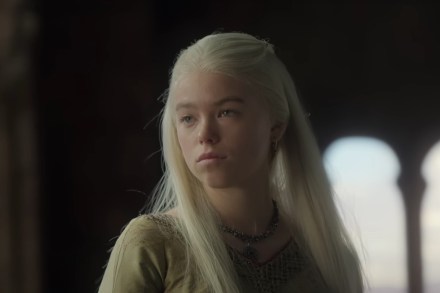
I realize this is an unpopular opinion, but I actually didn’t hate the ending of Game of Thrones. Sure, the showrunners fumbled some of the character arcs and made some odd decisions (King Bran? Really?). But the broad thematic arc of the series was perfect. Daenerys’s dark turn into madness and mass murder and the subsequent destruction of the Iron Throne served as a hopeful proclamation that, even in our bloody, jaded, pornified world, the true faith lives on. The show understood, on some level, that neither the ideal redistribution of power nor its unfettered aggrandizement could ever be our salvation. Martin made his name as the anti-Tolkien, but it was all a ruse. If his intentions were truly insidious, his story would “look fairer and feel fouler.