In Chet Baker’s albums you can hear America’s romantic self-image curdling
From our UK edition
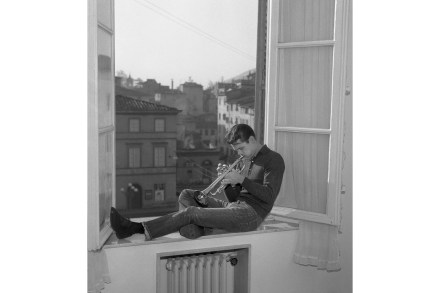
The thing to remember about Chet Baker, an old acquaintance says of the errant jazz musician in Deep In A Dream, James Gavin’s exemplary 2002 biography of Baker, is that ‘he can hurt people even after he’s dead’. Baker could be dangerous but mostly he hurt himself. He died, squalidly, in 1988, and his music, at least, can still wound. In Baker’s oeuvre the ballads are deep blue and the up-tempo tunes are somehow tinted even darker. The ‘jazz James Dean’, the ‘Prince of Cool’, Baker was extremely pretty in his younger days and made music that cast a similar enchantment. His trumpet style was lyrical, his singing voice light and seductive.