Postwar america

In Chet Baker’s albums you can hear America’s romantic self-image curdling

From our UK edition

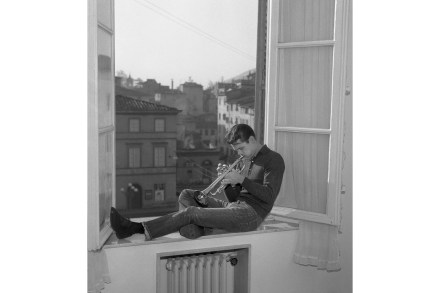
The thing to remember about Chet Baker, an old acquaintance says of the errant jazz musician in Deep In A Dream, James Gavin’s exemplary 2002 biography of Baker, is that ‘he can hurt people even after he’s dead’. Baker could be dangerous but mostly he hurt himself. He died, squalidly, in 1988, and his music, at least, can still wound. In Baker’s oeuvre the ballads are deep blue and the up-tempo tunes are somehow tinted even darker. The ‘jazz James Dean’, the ‘Prince of Cool’, Baker was extremely pretty in his younger days and made music that cast a similar enchantment. His trumpet style was lyrical, his singing voice light and seductive.
Back to the future

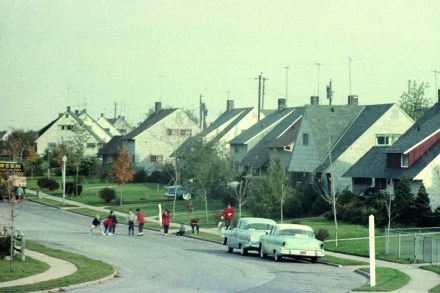
Will COVID-19 change society? If effective treatments and a vaccine are found, maybe not. After a bad year or two, the pre-pandemic status quo of dense cities, crowded subways and far-flung global supply chains might be restored, and the global plague might be forgotten as swiftly as the Spanish flu was in the subsequent Jazz Age. I don’t think so. I hope to be proven wrong, but I suspect the trauma will endure long enough to effect lasting changes in lifestyles and business models. In the United States and similar western democracies, the post-pandemic social order may seem more like that of the 1950s than the 2000s.

1950s

The personality test that conned the world

The other day in the Guardian’s Blind Date column, two participants, or victims, finished off an account of their frightful encounter by dismissing any chance of a future relationship: ‘I’m sure two ENFPs might wear each other out.’ The acronym is perhaps not familiar to everyone, but that, coming from a couple of young people steeped in human resources gibberish, would have been the point. The woman involved was showing off her Myers-Briggs personality type. Myers-Briggs is an American analysis of personality first used in the 1940s, which gained huge success in the 1950s. It was a decade in which, as Merve Emre poetically says, ‘the stench of political paranoia was accented by cheap gasoline and apple pie’.

myers-briggs