Postmodernism

Thomas Pynchon’s Shadow Ticket is transcendent and exhausting

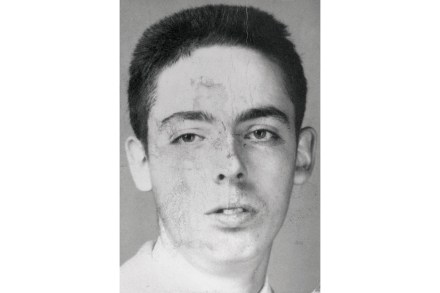
And just like that, after an excruciating 12-year hiatus, the literary world’s answer to Harry Houdini is back. Thomas Pynchon, that notorious recluse, has resurfaced with Shadow Ticket, a tricksy Prohibition-era detective caper that is by turns exhilarating, exasperating and inimitably Pynchonian. A new Pynchon novel is simultaneously a reviewer’s wet dream and feverish nightmare. There’s so much to unpack, you’re never going to do it full justice after a single reading. This is, after all, the writer famous for Byzantine, convoluted plots which zigzag their way across entire continents, ideologies and historical epochs, brimming with mysterious entities and delightfully nutty characters. Shadow Ticket is no different.

thomas pynchon shadow ticket

‘Media Literacy’ and the decline of Woke

What is “woke”? To Jordan B. Peterson it is “postmodern neo-Marxism.” To James Lindsay it is “critical race theory” and latterly “revisionism” in general. These theories of what woke means take for granted that one of its core tenets is a denial of objective truth under the influence of what is broadly called “critical theory,” but the thinking behind contemporary wokeness falls far short of these theoretically exalted standards. Critical theory was a movement, primarily among academics, in the mid 20th century which had a diverse array of followers, but the common denominator was the belief that texts, whether literary works like novels, or historical documents, had no inherently “true” interpretation.

Media Literacy

Remembering the postmodern Paul Auster

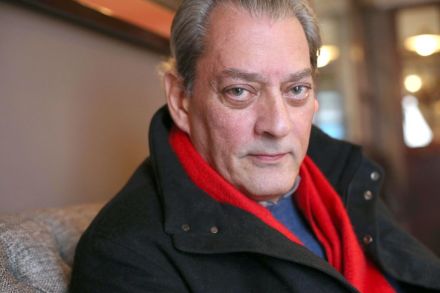
In Salman Rushdie’s new memoir Knife, there is a powerful and moving moment — amid the many other powerful and moving moments — in which Rushdie visits his ailing friend Paul Auster at the latter’s house in Brooklyn and describes his sorrow at seeing him so reduced by illness. It may have been that the extent of the cancer that killed Auster had not been made public knowledge, although a statement was released about his condition, until Rushdie’s description of his encounter — and some might accuse him of indiscretion or indelicacy. Yet the news of Auster’s death, anticipated though it undoubtedly was, has meant that such questions recede almost immediately — and instead a consideration of his legacy as a writer, rather than an invalid, can begin.

paul auster

From modernism to totalitarianism

The modernist movement in the arts got underway around the start of the last century, encouraged by Ezra Pound’s exuberant exhortation to “Make it new!” Somewhat less attention was paid to making it good, as if what was new was inevitably good — better, indeed, than everything that had come before it. Barrels of printers’ ink were expended on the subject in the so-called “little magazines” of the period on both sides of the Atlantic, not all of it wasted; much of the relevant critical commentary was very intelligent and interesting indeed. Modernism as a concept and an aesthetic was less successful in music, painting, the plastic arts and architecture than in literature — though again, some of the work it inspired was very good.

modernism

The truth according to social justice

We have reached a point in history where the ideas that sustain the liberalism and modernity at the heart of western civilization are at great risk. The precise nature of this threat is complicated. It arises from at least two overwhelming pressures, one revolutionary and the other reactionary, that are at war over which illiberal direction our societies should be dragged. Far-right populist movements claim to make a last desperate stand for liberalism and democracy against a rising tide of progressivism and globalism. They are increasingly turning toward leadership in dictators and strongmen who can maintain and preserve ‘western’ sovereignty and values.

social justice