Pet shop boys

The individualistic talents of the Pet Shop Boys

In April, the Pet Shop Boys, pop music’s most influential and beloved synth-pop duo, returned with a new album, Nonetheless. The British pair could hardly be described as wildly prolific, having released a comparatively meager fifteen albums since their debut Please in 1986. (Their one-word titles usually contain some oblique joke or other; the act’s singer Neil Tennant once remarked that the idea for the first LP was that it amused him that a record buyer would ask for the “Pet Shop Boys, please.”) Yet one reason for this relatively sparse output is that they take a painstaking amount of time to ensure not only that each of their albums is polished to perfection, but that it is existentially different from their previous release.
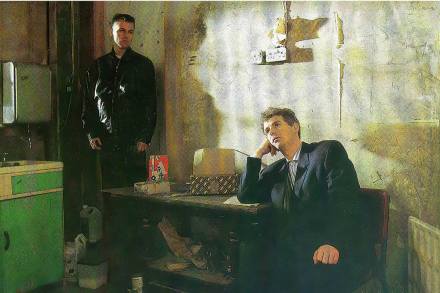
Pet Shop Boys

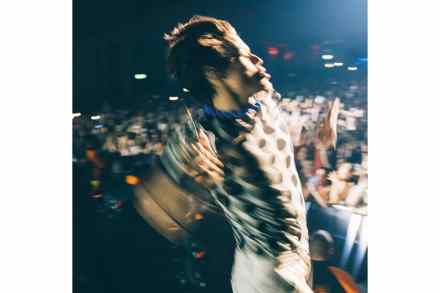
Harry Styles has entered his imperial phase – but his music still has no distinct identity

From our UK edition

At the turn of this century, looking back on the late 1980s when the Pet Shop Boys could do no wrong and everything they touched turned to platinum, Neil Tennant coined the concept of a musician’s ‘imperial phase’. You can be hugely popular at other times in your career – you can sell just as many records – but the imperial phase is something different. The imperial phase is when an artist isn’t just selling records; it’s when approval of them has reached such a pitch that they can do no wrong. It’s when every magazine and newspaper uses any excuse to run photos of them, when their peers garland them with approval, and they seem to have a golden key that unlocks every day.