Pelléas et Mélisande

The genius of Romeo Castellucci

From our UK edition

Birds do not sing. They bleep and rattle and buzz like a dial-up modem. That we consider what comes out of those pointy mouths as synonymous with natural beauty and the highest achievements of melody is all down to a musical sleight of hand – centuries of gaslighting and free PR from classical music. The first composer to level with us, to faithfully transcribe the monstrous noises that these creatures actually make, was Olivier Messiaen. His music is stuffed with this fabulous fax-machine weirdness. It reaches an apotheosis in his massive opera Saint François d’Assise (1983) – six hours with intervals.
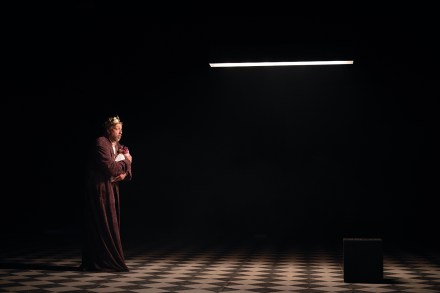
Brave and beautiful: Longborough’s Pelléas et Mélisande reviewed

From our UK edition

King Arkel, in Debussy’s Pelléas et Mélisande, is almost blind, and he rules over a kingdom of darkness. Debussy’s score is so luminous that it’s easy to forget just how dark it supposedly is, this mythical realm of Allemonde – even despite the libretto’s references to gloomy caves, shadowy castles and forests that block out the sunlight. Many productions take their visual cues from the music rather than the words, providing endless opportunity for shimmering effects and the subtle play of light and shade. Jenny Ogilvie’s staging for Longborough Festival Opera doesn’t just embrace the darkness; it goes all in. Shadows texture the huge, brutalist wall of Arkel’s castle and occasionally – briefly – it’s pierced by shafts of sunlight.