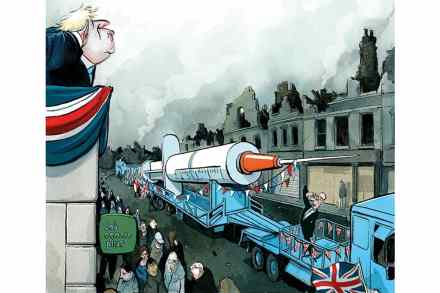
Pandemic

Reading during a pandemic

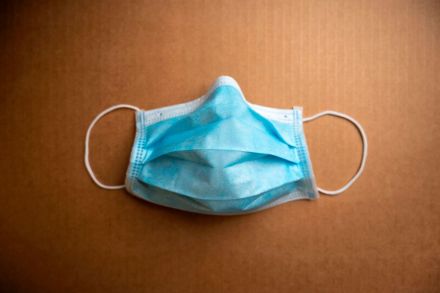
The experience of having Covid is, by now, well-documented. You spend seven to ten days in your room or house feeling ill and sorry for yourself. The world outside becomes a distant dream, and one of the few pleasures of spending twenty-four hours a day in bed is the time to read. This winter, the Omicron bell tolled for me — as it seemed to do for half of the global population. I was very lucky with the virus: after two days of unbelievable complaining and texting everyone I knew to tell them I was either like Beth in Little Women or a fevered Marianne in Sense and Sensibility, I recovered from my gothic heroine-like swoon and set about ploughing through novels. At the outset, there were endless articles and tweets about what one should read during a pandemic.

The dive is alive

Last summer, Covid claimed yet another casualty. The Post Pub, tucked away under a low ceiling on L Street in Washington, was a throwback to a different age, one of noontime highballs and midnight shots on the house. Yet while the past had been swinging, the future for the little downtown watering hole was bleak, and so it announced that it would have to close. For me, the loss was personal. The Post was where I had deepened countless friendships over glasses filled and then unfilled with foamy brown. It was where, in 2018, I looked up at the TV above the bar, saw the words “fire and fury” on the same chyron as “North Korea,” and wondered for a fleeting second whether that was where I might die (it wouldn’t have been a bad end, all things considered).

dive

New York is up to you

There are two types of people in New York City: the ones who stayed and the ones who called it quits. Those who stayed wear it like a badge. With a sense of pride, they call themselves the ‘real New Yorkers’. They supported Our Lady of Liberty in her time of need. They consistently ordered delivery to help prevent restaurants from closing. They donated their time and money to the city’s hungry and homeless all while cheering on healthcare workers every night. Those that left bear a stain on their New York resumé. The old way to tell a real New Yorker was if they had lasted and hit the 10-year mark. The new way is faster: if you stayed during the pandemic. It’s like the vaccinated and unvaccinated: there is really no in-between. More than 320,000 NYC residents left in 2020.

new york

The Washingtonian’s dreary, woke ‘best of’ list

Cockburn was waiting to get his beard trimmed at the barber recently and found himself flicking through the latest issue of the Washingtonian, an outlet where fangirling over the Biden administration passes as journalism and a love of America’s dreary capital substitutes for a personality. The issue in question featured Washingtonian’s annual best of list. This is supposed to be a list of bars, restaurants, people and other stuff that makes DC such a great place to live. But this year’s offering had Cockburn browsing Zillow for homes in Ketchum, Idaho, faster than you can say 'Fauci Pouchy'. It’s been years since Cockburn relied on the Washingtonian for advice on having a good time in the imperial city, but the 2021 offering is especially unappetizing.

washingtonian

Made of honor: the complexities of a COVID wedding

The birds are singing, the temperature is rising and I am frantically searching for a seamstress to hem three to four inches off a formal dress designed for a woman of normal height. You know what that means: it’s wedding season. This wedding season holds the uncertain distinction of being either the second under COVID or the first post-COVID, depending on your geography and luck. The pandemic was a tragedy for many couples who had planned their big day last year. According to the wedding website the Knot, less than half of couples who intended to get married in 2020 followed through with both their ceremony and reception.

wedding

The big debate: is lockdown wrong?

Is lockdown a gargantuan mistake? That's the view of a growing number of thinkers and critics, including The Spectator’s very own Toby Young, who sees the political class's shutting down of entire populations as the most catastrophic policy error in history. Not every free thinker agrees, however. We asked Matt Labash, a contributing editor and a skeptic of lockdown skepticism, to challenge Toby over email. Matt Labash: Toby, thanks for stepping into the squared circle and joining me for a Pandemania tussle as a gentleman pugilist, sage, and co-equal partner in the search for truth. And also, as a fellow amateur epidemiologist, which there is no longer any shame in saying, since the pros have bunged things up so spectacularly.

civilization costs debate