Nostalgia

The return of CRT TVs

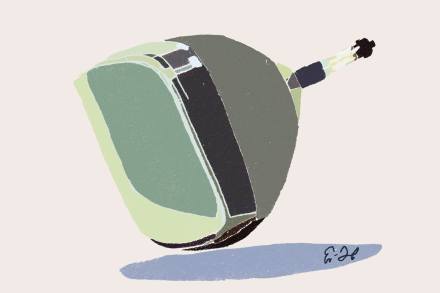
Cathode-ray televisions — the thick, “fat” CRT TVs of my youth — were dead. You couldn’t find them in secondhand shops, because who would buy one?They were sidewalk refuse, chunky e-waste, destined for the dump. In an era of economic dissatisfaction, the reduced cost of slim, high-resolution flat-screen TVs has been a major if often derided benefit. Populists often sneer at globalism — “Who cares that you can get great, cheap TVs when housing is more expensive and there are few jobs?” But even they would still use a stunning 4K — or 8K or 16 K even — OLED TV over the fat screens of the good ol’ days. And yet, for enthusiasts of retro video games and other esoteric media hobbies, what others see as trash is their treasure.

CRT

The world of future heirlooms

The table at which I sit to write this column is more than 400 years old — and yet brand new. A few years ago, when a mammoth oak fell in my parents’ woods, we profited from the generosity of friends with chainsaws and access to a lumber mill and kiln who were just as determined as we were not to see this venerable specimen go to waste. My parents consulted with yet another party keenly concerned with preservation — a local, family-owned, custom furniture builder of “heirloom-quality.” It seems like a quaint concept, in this fast-forward world, where news stories and trends mirror the lifespan of an avocado — ripe one second and useless the next — to acquire and keep things with a mind for future generations.

heirlooms

Age is catching up with our much-beloved musicians

On the Who’s 1965 single “My Generation,” the band’s twenty-one-year-old lead singer Roger Daltrey half-sang, half-sneered, “Hope I die before I get old.” The song, written by the then-twenty-year-old Peter Townshend, has remained a classic for nearly sixty years, boasting both a fantastic tune and unforgettable lyrics. Yet even as the Who continue to tour the world — often in the company of that invaluable accessory for any self-regarding rock band, a full orchestra — it is now with self-aware amusement that the seventy-nine-year-old Daltrey and seventy-eight-year-old Townshend perform it.

musicians

A woman for all seasons

One of the things I love most about living in Pennsylvania is experiencing all four seasons. They are pronounced, and regardless of how long you’ve lived there, the changes in weather are always remarkable. People comment on the weather constantly, as if the four things it might be doing outside — being warm, cold, wet or dry — are novel any old day. Whether these remarks are upbeat or grumbly seems to depend on one’s age and if snow is more likely to result in a day off school or a bout of rheumatism. For me, though, a change in the seasons — any season — is a sentimental event. It’s as if nature is poignantly reminding me that time is passing. A late February warm spell this year inspired me to do some spring cleaning.

seasons

Blockbuster is the best argument in favor of That ’90s Show

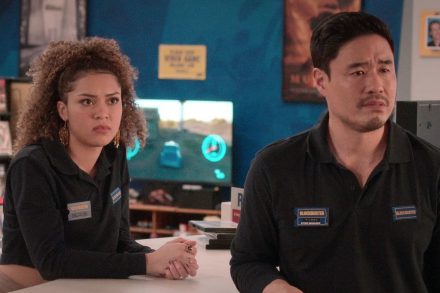
Blockbuster is a single-cam sitcom about the last Blockbuster (located inside a strip mall in Michigan). The set is dressed in authentic signage, fluorescent lights, blue walls and an oddly prophetic Howard the Duck poster. The employees have real Blockbuster name tags and uniforms (the producer, John Fox, acquired the rights and handed it over to established showrunner Vanessa Ramos: I have the rights to Blockbuster. Would you like to develop a workplace?). Every episode is packed with movie references and checkout-counter humor. The transitions between scenes are scored to hip-hop beats that sound like something you’d hear on Nickelodeon in the Nineties. You’re inside a Blockbuster for the first time since Carol Danvers fell through its roof in Captain Marvel.

blockbuster

Stranger Things and the perils of nostalgia

Recently, Kate Bush went to the top of the iTunes charts — yes, such a thing does still exist — with her 1985 single "Running Up That Hill." It’s an excellent song, one of her finest works, but the reason for its somewhat unexpected resurgence in popularity is because it was prominently featured in the fourth and penultimate season of Stranger Things. It's testament to the show’s continued popularity that its consistent, even ruthless channeling of Eighties nostalgia can lead to unexpected knock-on effects.

Back to the future

Will COVID-19 change society? If effective treatments and a vaccine are found, maybe not. After a bad year or two, the pre-pandemic status quo of dense cities, crowded subways and far-flung global supply chains might be restored, and the global plague might be forgotten as swiftly as the Spanish flu was in the subsequent Jazz Age. I don’t think so. I hope to be proven wrong, but I suspect the trauma will endure long enough to effect lasting changes in lifestyles and business models. In the United States and similar western democracies, the post-pandemic social order may seem more like that of the 1950s than the 2000s.

1950s

Nostalgia sells — but you have to get it right

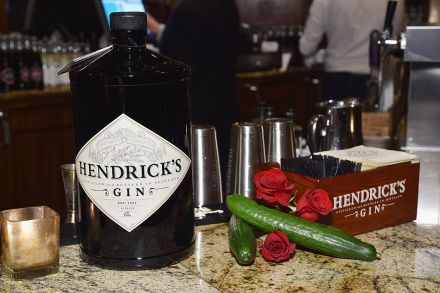
This article is in The Spectator’s November 2019 US edition. Subscribe here. People don’t believe me when I tell them we created Hendrick’s Gin 20 years ago — mostly because the bottle looks like it’s been on the market for more like a century. Over the course of those 20 years, we’ve gone from an unusual little gin to a global brand. We sell more than one million cases a year. The secret is nostalgia. Most of the products we design at Quaker City Mercantile, the creative agency I run in Philadelphia, are known as ‘nostalgia’ brands. Nostalgia can be a powerful thing, but it’s not as easy as slapping a faux-vintage label on and calling it a day. Any nostalgic design has to come from an inherent truth about the brand.

hendrick's nostalgia