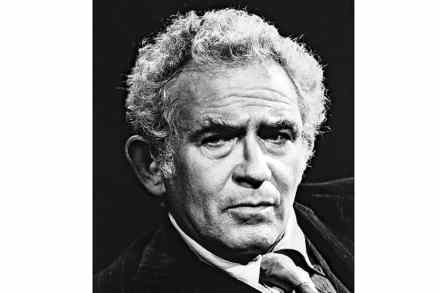
Norman mailer

Olivia Nuzzi and the return of ‘celebrity journalism’

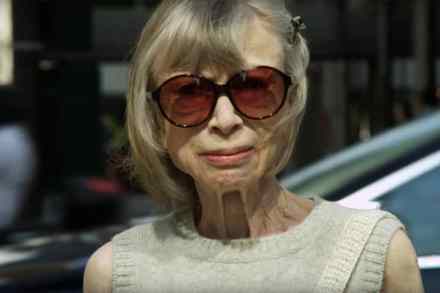
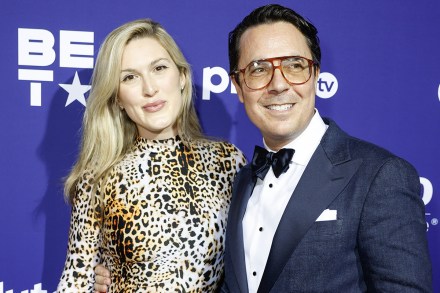
There are two competing ideas going around about “the old days” of journalism. In one, journalism was a sober public service, safeguarded by editors and ethics, untainted by the capital-A, capital-E Attention Economy. In the other, it was a racist, sexist boys’ club we managed to leave behind – even if only briefly, for long enough to support Teen Vogue’s politics vertical. (May they rest in peace.) The current pile-on concerning celebrity reporter Olivia Nuzzi, whose ex Ryan Lizza has revealed her affair with Robert F. Kennedy Jr., leans hard on the first fantasy. Once there were newsrooms; now there are “personal brands.” Once we had Walter Cronkite and Edward R. Murrow; now there is a woman in a Lana Del Rey cosplay Mustang with 1990s porn-star brows.
olivia nuzzi

How Norman Mailer changed the face of biography

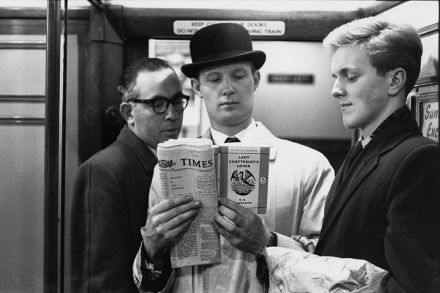
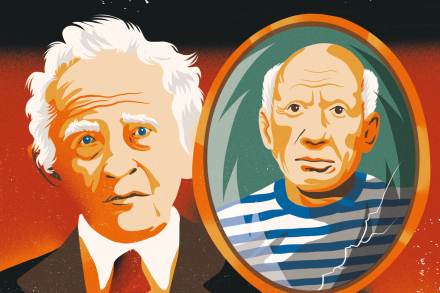
Many labels leap to mind in association with the prolific and controversial Norman Mailer, who died in 2007, but “biographer” is not typically one of them. He was not considered a serious practitioner of the genre in the same sense as Edmund Morris, Ron Chernow or his friend Doris Kearns Goodwin. And yet, as his own official biographer J. Michael Lennon asserts to me, “Mailer became a major biographer in the last half of his career.” Thirty years ago, two intriguing books by Mailer appeared just a few months apart: Oswald’s Tale: An American Mystery and Portrait of Picasso as a Young Man.

Mailer

The sex lives of writers

A fellow writer recently asked me if I would prefer to be famous as a great writer or famous as a great lover. I said a great writer because, well... that’s what you’re meant to say, isn’t it? My friend chose great lover. Why? “There are lots of great writers,” he explained, “but men who are great in bed are rare. And besides, great writers aren’t sexy anymore.” I used to think that when male writers — and I mean novelists, critics, journalists — complain about how literature has lost its cultural significance and that no one cares about the printed word anymore, what they really mean is: no one wants to shag me. And I suspect that they’re right. The era of the Great Literary Sex God is over.

writers

Crazed and confused

Perhaps you’ve noticed that America isn’t holding it together very well. Every airplane seems to have a middle-aged man throwing a temper tantrum about his facemask, every state house has some woman with artificial hair coloring and too much facial filler screaming about some imagined threat to “the children,” and every time I think I have found a normal person on Twitter it only takes twenty seconds of browsing their timeline to find a post that compares the Covid-19 vaccine to the Holocaust. It would be easy to dismiss this as just a particularly nasty lull in our collective sanity, but it’s time to be real. We have always been like this. Our nation wasn’t founded when the Mayflower arrived at Plymouth Rock, as they taught us in kindergarten.

hysteria

The mythic rise of the celebrity dissident

Celebrity is a remarkably enduring and powerful form of prestige. Who can imagine a world without it? Celebrities begin as people, become brands, then expand into empires. We have celebrity restaurateurs who become celebrity chefs and celebrity chefs who become restaurateurs. We have celebrity spin doctors and celebrity CIA analysts. We have celebrity comedians and celebrity revolutionaries; they’re often interviewed by celebrity journalists. We have celebrity architects, celebrity tycoons and celebrity statesmen. We have celebrity children of celebrities; celebrity ballerinas; celebrity vegans; celebrity plumbers; celebrity murderers. For decades celebrity told society stories about itself, some ennobling, some disgraceful.

celebrity