Natural History Museum

Catherine Lafferty, Michael Simmons, Paul Wood, Philip Hensher, Isabel Hardman and Damian Thompson

From our UK edition

39 min listen

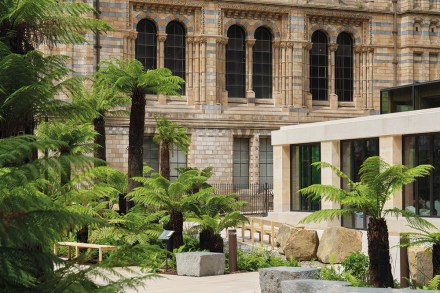
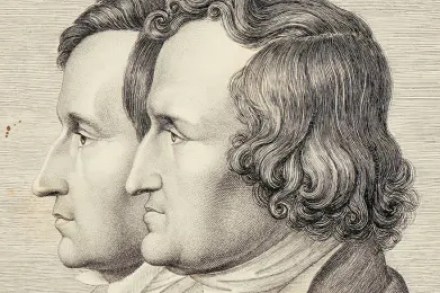
On this week’s Spectator Out Loud: Catherine Lafferty argues that the drive to reduce teenage pregnancies enabled grooming gangs (1:27); following Luke Littler’s world championship victory, Michael Simmons says that Gen Z is ruining darts (6:32); Paul Wood looks at the return of Isis, and America’s unlikely ally in its fight against the terrorist group (10:35); Philip Hensher reviews a new biography of the Brothers Grimm by Ann Schmiesing, and looks at how words can be as dangerous as war (17:57); Isabel Hardman highlights the new garden now open at the Natural History Museum (26:57); and, Damian Thompson reveals he watched videos of plane crashes to distract himself from the US election coverage – why? (31:40).  Produced and presented by Patrick Gibbons.
The Natural History Museum’s new Evolution Garden is inspired

From our UK edition

The Natural History Museum is one of the most beautiful buildings in London, but its gardens have long been a bit boring – just a pavement on the way in to Alfred Waterhouse’s ornate ‘cathedral to nature’. Most people noticed them solely when the ice rink appeared at Christmas. There was a wildlife garden in one corner that only real enthusiasts (like me) bothered to visit. Where else in London could you walk three billion years along pavements this good? With this enormous overhaul of the site, that’s all changed. The scale of the Evolution Garden, designed by landscape architects J&L Gibbons and architects Feilden Fowles, is enormous, both in size and the period of time it covers.

The death of the American museum

It starts with the promise of skipping school — always an illicit thrill at nine years old. My son and I, seasoned truants, hop the early train to downtown Chicago for what I’ve convinced him is a real education. The day’s agenda: two of the city’s iconic museums — grand, intimidating and, up until recently, somewhat sacred. These sprawling neoclassical behemoths, both originally constructed for the 1893 World’s Columbian Exposition, dot the waterfront like ancient ruins. They once felt like temples to knowledge, where wonder and learning collided, where static displays ignited curiosity. But as we step inside, I can’t shake the feeling that maybe, just maybe, their magic has faded. Can museums as we know them survive my lifetime?

museum