Nato

No, Putin didn’t plot to invade Ukraine. But now he might have to

From our UK edition

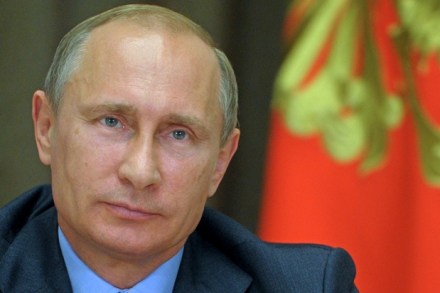
So what, exactly, does Vladimir Putin want? ‘To start World War Three,’ according to the embattled Ukrainian prime minister Arseny Yatseniuk. ‘To rule as president for life with powers on par with the tsars,’ according to Alexei Navalny, leader of Russia’s tiny opposition. To ‘force a major change of boundaries on Europe… and break the post-Cold War consensus,’ according to Radek Sikorski, Poland’s foreign minister. Actually, Putin himself has always been rather clear about his ambitions. ‘Russia has been a great power for centuries, and remains so,’ Putin told the State Duma in his first speech as prime minister, back in August 1999.

Ahmed Rashid: The five things that must go right for Afghanistan to prosper

From our UK edition

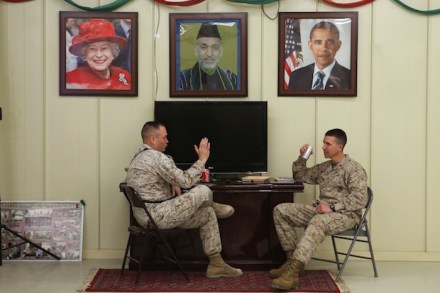
 Lahore   From Washington to Kabul and in every capital in between, governments, armies, intelligence agencies and the media are asking what will happen in Afghanistan next year when the US and Nato finally leave after 12 years fighting a war they did not win. Despite the enormous amount of intelligence available, the truth is that nobody knows, not even the Afghans. The best predictions can only be based on knowing what is going right, what is going wrong and what can be done to minimise the dangers of things getting worse. For more than a year we have been deluged with the so-called success story of the military transition — the handing over of security to the 350,000-strong Afghan army and police — as western forces pull out.

Why Russia’s diplomats should learn swimming-pool etiquette

From our UK edition

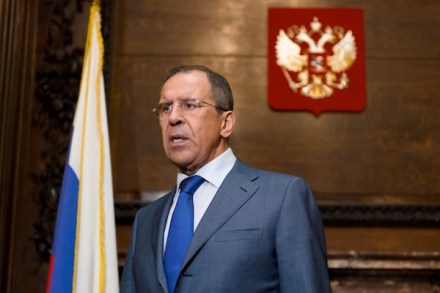
The first couple of evenings there was just me and a middle-aged couple swimming decorously up and down. On the third day it changed. There were three more people, spread out at the shallow end. You would not have thought that an extra three people in a decent-sized pool could have caused such irritation and havoc. They contrived to occupy an inordinate amount of space and move around in a way that caused maximum disruption. Sometimes they swam widths; sometimes diagonals. They would stop and change direction without warning. Sometimes they floated with their toes under the rail, or disappeared under water and surfaced far too close for comfort. And when they swam, they swam splashily, in a clumsy, improvised way. The two other length-swimmers generally left before I did.