Nancy mitford

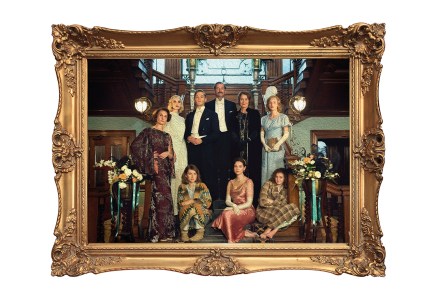
Can a TV series capture the extraordinary story of the Mitford girls?

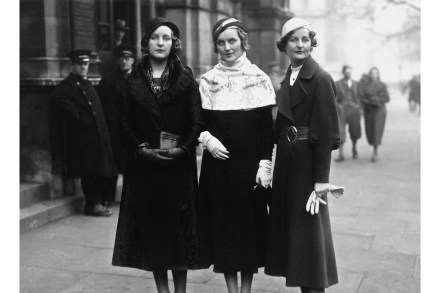
We remain fascinated, even obsessed, by the Mitfords. Collectively, their existence is the stuff of legend: the affairs, the imprisonment, the polarized politics, the wit, the beauty, and the brutality, all in one glamorous package. In uncertain times, the sisters offer a flush of eccentric characters: Nancy the Novelist, Pamela the horsewoman, Diana the Fascist, Unity the Hitler-lover, Jessica the Communist and Debo the Duchess.

Mitford

Articles of War

Universal genius is a law unto itself, but the personalities presented in Signatures at least deserve to be remembered by generations yet unborn. Ernst JüngerJournals, 1951 Researching for my book Paris in the Third Reich, I was just in time to catch some German officials or soldiers who had played a part in the occupation. Understandably, they tried to put themselves in the best possible light. Ernst Jünger was different. A staff officer, exceptionally intelligent and exceptionally observant, he kept a day-by-day record of his life in Paris. Much more than a timely self-portrait, these diaries fix for posterity the historic moment when the long-drawn contest for power in continental Europe appeared to have ended conclusively in German victory and French defeat.

war

Finding the Lost Girls

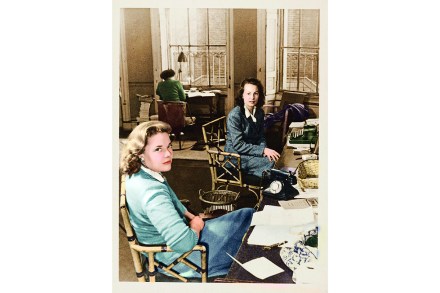
This article is in The Spectator’s February 2020 US edition. Subscribe here. Encapsulations of a particular art-world demographic nearly always fall wide of the mark. Just as there were plenty of people on hand in the 1950s to protest that the Angry Young Men were neither especially angry nor exclusively male, so countless chroniclers of interwar social life complained that the Bright Young People were neither bright nor young. But the critic Peter Quennell’s phrase ‘Lost Girls’ to describe the gang of female twenty-somethings who worked on the magazines and populated the parties of Blitz-era literary London carries an unmistakable tang of conviction.

lost girls