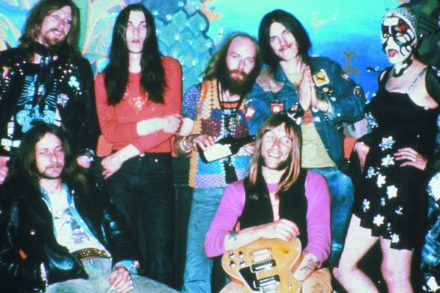
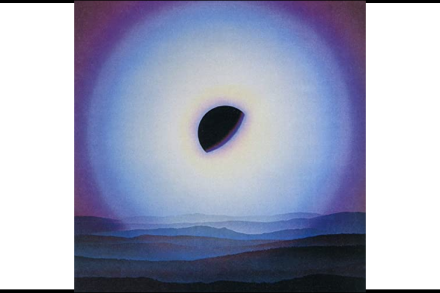
Take a trip with Hawkwind
Hawkwind played notes from underground, but they had a global influence
In the Eighties, Japan had prosperity, optimism, loads of bizarre porn and the solace of technological gadgetry
One of my favourite things on British Muslim TV is Ask the Alim. An alim is a learned expert in the law. He’ll answer anything, live. The 2020 Best Bits highlights programme included a question about divorce. Can a man take back a woman he has divorced? Good question. It depends whether the divorce is revocable or irrevocable, according to the alim. Boris Johnson has been doing something similar on Facebook recently: Ask the Prime Minister. Instead of expertise on Shariah, he offers an ‘irreversible roadmap to freedom’. But there has been something a bit weird recently about the broadcasts (easily viewed and reviewed to your heart’s content on Twitter,
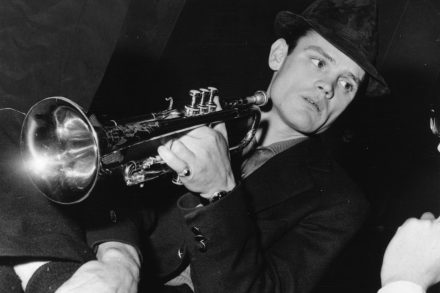
Poor Chet Baker. He really was born to be blue
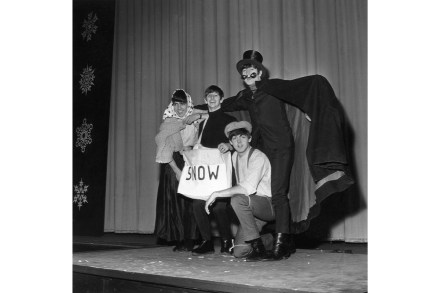
’Tis the season for collectible vinyl

It’s a real shame the Christmas flexis have not had a proper, all-on-one album release
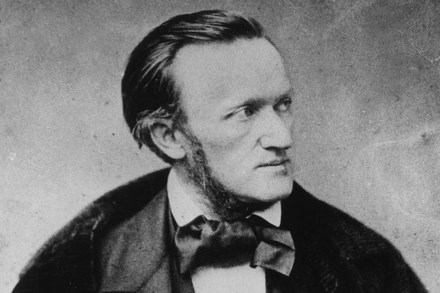
There is indeed greatness in much of Wagner’s music. Pace Herr Nietzsche, he could write rhythm
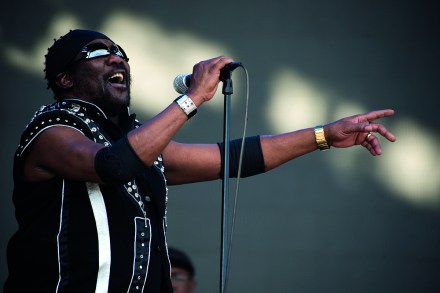
Farewell to the father of reggae
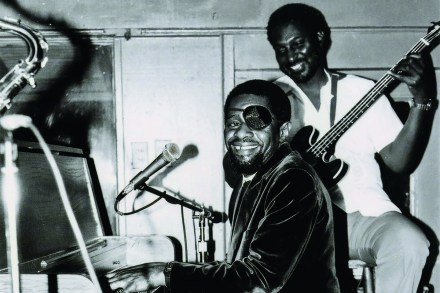
Notes on a New Orleans professor
How will we remember the great musicians of the past?
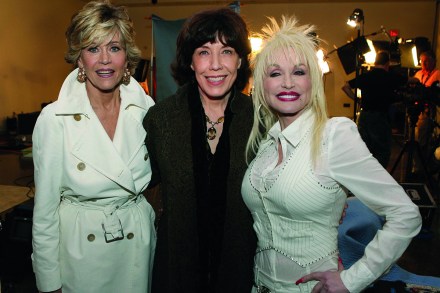
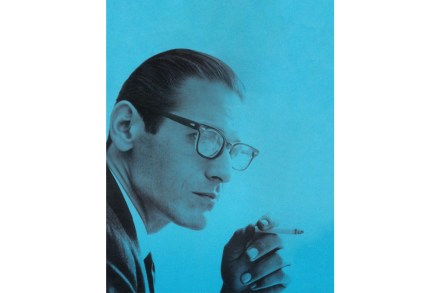
Before the Beatles were boss, there was bossa nova
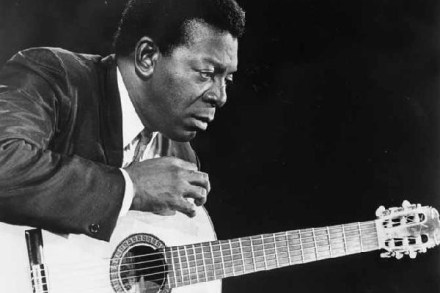
Early in 1987, a middle-aged woman approached me on the record counter of the Slough branch of Boots. ‘What do you have by Ladysmith Black Mambazo?’ she demanded. Nothing. Boots in Slough wasn’t big on South African isicathamiya choral music. ‘Well,’ she suggested, ‘you really ought to get their records in. They’re going to be huge.’ She was wrong, but I knew why she was so sure. Ladysmith Black Mambazo had been among the standout guests on Paul Simon’s Graceland, released a few months before. Graceland made Simon, by my reckoning, the first pop star who had emerged from the rock’n’roll era to make a major cultural impact across three
All my life I’ve wanted to compose music, and now I’ve done it. I’ve written a sonata for solo flute that boasts two highly original features; it’s five hours long and must be performed by a badger. Though it took me only five minutes to write, my opus one is guaranteed to get through to the second round of the next competition for new composers sponsored by Sheffield University and the Centre for New Music. That’s because they operate a ‘two ticks’ policy, as the Scottish pianist Philip Sharp — possibly the only classical musician in Britain who calls himself a classical liberal — revealed in his blog earlier this
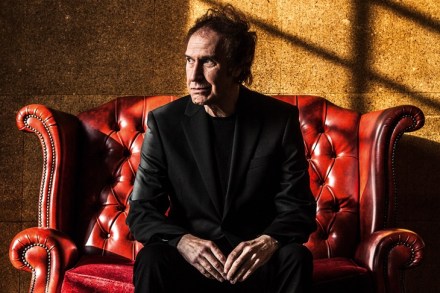
‘I like your shirt today,’ Sir Ray Davies says to the waiter who brings his glass of water to the table outside a café in Highgate. ‘How’s your girlfriend?’ It turns out the girlfriend is no longer the girlfriend. ‘You broke up? You know, that happens. It’ll be OK. You’ll meet somebody else.’ He pauses and then says something that runs through my head for days after our interview. ‘She’ll meet somebody else.’ It’s true, of course; she will. And it’s a human thing to say: both parties to the relationship will move on. But it’s also delivered with a hint of claws. Who wants to be told, fresh from