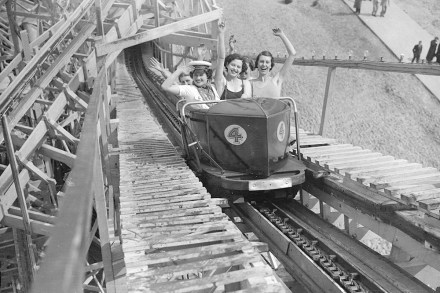
The anxious gaiety of Britain’s interwar years
However many times one absorbs the brevity of the interlude between the first catastrophic worldwide conflict of the 20th century and the next, it was the not-knowingness of that timetable that allowed society to cope. In the 20 years between world wars that shattered several generations, Britain’s full emotional recovery was never really accomplished. But with his eye for the political and the cultural, for the game-changing and the deliciously absurd, for comedy and for tragedy, Alwyn Turner demonstrates the irrepressible optimism of humanity, whatever the circumstances: ‘Highbrows and lowbrows [lived] cheek by jowl, rubbing along with politicians, priests and pressmen.