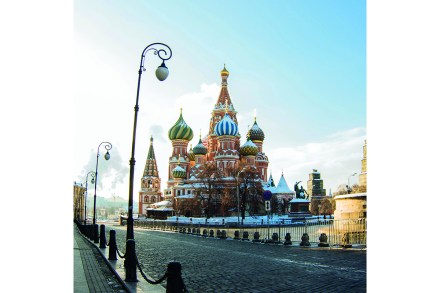
Moscow

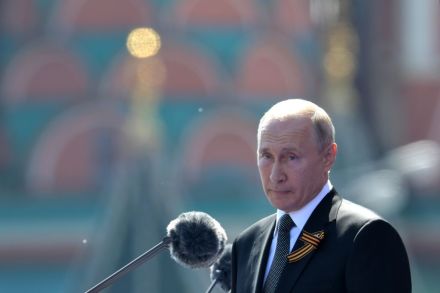
Putin’s Victory Day speech shows he’s not backing down

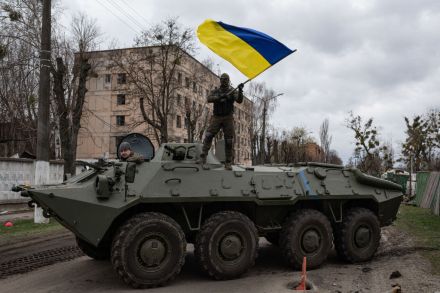
“Victory Day” is one of the most solemn events on the Russian calendar. Every year on May 9, the country gets together to celebrate the defeat of Nazi Germany in what Russians call “the Great Patriotic War,” in which as many as 26 million Soviet troops and civilians perished. It’s a time for reflection, for an appreciation of history, and, yes, for pomp and circumstance, with Russian troops decorated in dazzling uniforms marching in unison throughout Moscow's Red Square. This year’s Victory Day celebrations, however, had much of the world on edge. In next-door Ukraine, Russian forces were taking a beating, with smaller but nimbler and more determined Ukrainian units continuing to mount stiff resistance against a Russian military offensive in the Donbas.

Among Moscow’s lost generation

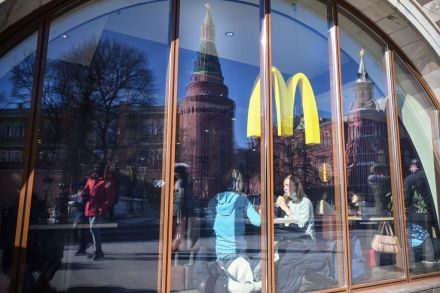
Vladimir Lenin famously said that there are “weeks where decades happen.” He was talking about the Bolshevik Revolution, but the panic-stricken weeks after Vladimir Putin shocked even his own people by invading "brotherly" Ukraine will also be remembered as an intensely transformative period in Russia’s history, when the ground shifted and Moscow was yanked back to its Soviet past. Those crazy weeks when my phone rang non-stop now feel like decades in retrospect, especially from the perspective of New York. The changes were apparent even after the first mad days of the "special operation." Anti-war Russians had panicked at Putin’s cruel gambit and fled the country by the tens of thousands, along with thousands of Western expats.

The plight of the returnee

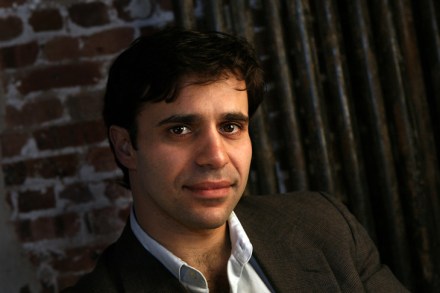
If the 20th century popularised the figure of the émigré, the 21st has introduced that of the returnee, who, aided by a combination of Skype, social media and cheap air travel, doesn’t so much exchange countries as exist between them. ‘I was an émigré. I had left. Now I’d returned,’ announces Andrei Kaplan, somewhat incredulously, in Keith Gessen’s vigorously funny second novel. An inverted Pnin, Andrei is a Russian-American academic, making a living by moderating online discussion groups for a professor who, in due course, compares Pushkin, Gogol and Dostoevsky to Kanye West. Failing to find a tenured job, Andrei moves to Moscow, where he was born, to care for his ailing grandmother. The city is unrecognisable.