Montenegro

How Eastern Europe is leaving Western Europe behind

I'm in the tiny riverside town of Virpazar, in the little Balkan country of Montenegro; and under the white geisha face of a late summer moon I am warily ordering the celebrated local delicacy. It is carp — caught from the nearby, slivovitz-clear waters of Lake Skadar (biggest lake in the Balkans!). But what makes me wary is the preparation. The carp is apparently marinated, and served cold, with boiled potatoes and greens. Cold slimy fish with hot spuds and spinach? It sounds like some nightmare culinary “specialty” from the old communist bloc (of which Montenegro was once a part, within Yugoslavia). I’m veteran enough to remember a few of these. “Famous” flatbreads that came with rancid lard.

Eastern

The hidden charms of Montenegro

From our UK edition

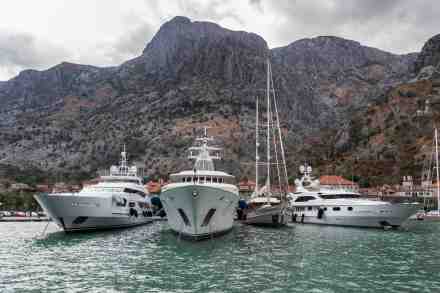
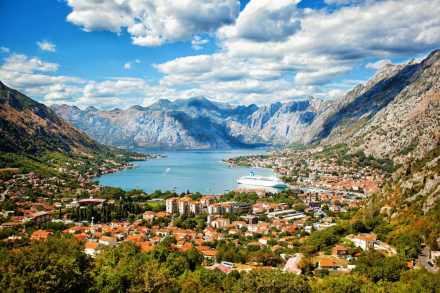
The first thing you should know about Montenegro is that it is wildly more dramatic than you might imagine. It would be frankly rude not to pull up on its precarious mountain roads and gawp. In summer the Adriatic shines; in autumn the mountains compete with New England for glorious, rich colours. The second thing you should know is that there is a relaxing lack of big-hitting sights. And anything you do want to do won’t take long. Even the most beautiful and Venetian of the tiny Balkan state’s towns take an afternoon at most to peruse, leaving plenty of time for lingering coffee stops and long fish lunches in the family konobas strung along the coast (which, if you were pushing it, you could drive end to end in around three hours).