The singular vision of Quentin Bell
From our UK edition
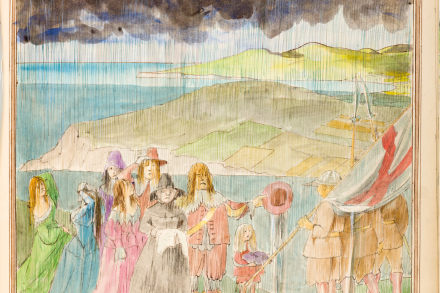
Every visitor to Charleston Farmhouse will know the work of Quentin Bell even if they don’t realise it. He made the distinctive clay colander lights there, and many of the zany sculptures and ceramics. The son of Vanessa Bell, he grew up at Charleston, and later, when he was of great age – and even greater beard – he led a campaign to ensure the place was properly preserved. But what was Bell’s work really like? This exhibition gives us about 100 examples so that his singular vision emerges, and guess what, for all the progressive modernism of his background, he had a taste for Victoriana, fairground illusionism and the Belle Époque. His reliefs are dancers out of Degas, his figurines dressed like Manet’s bar attendant.