Ministry of defence

Andy Burnham’s centrist act isn’t fooling anyone

When Ed Miliband and Shabana Mahmood arrived in Downing Street on July 20, the image of political rivals arm in arm symbolized a new government of differing views taking shape. It might have been more awkward. As they neared the door of No. 10 and the waiting television cameras, Miliband turned to Mahmood and asked: “Should we turn around for a photo together?” Mahmood gave the idea short shrift: “We’re not getting married, Ed!” But in a sense, Labour is seeking a new relationship with the British public – and everyone around Andy Burnham is alive to the importance of images, symbols and vibes. As Wes Streeting, the new Defense Secretary, put it in cabinet the next day: “We have a second chance to make a first impression with the voters.

burnham

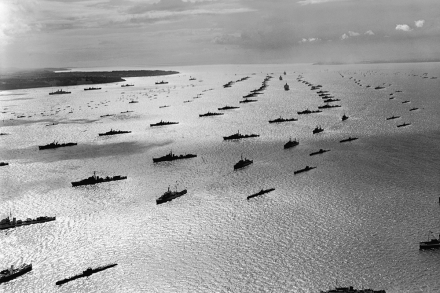
What really went on at Britain’s Bikini Atoll?

From our UK edition

Nearly a century ago, some Chinese water deer swam the River Ore to Orford Ness. They had escaped from the ornamental deer park at Woburn Abbey in Bedfordshire and, perhaps through ancestral homing instinct, headed as far east as possible without falling into the North Sea. They climbed unsteadily on to this strange shingle spit at the end of England and made it home, along with the gulls, thistles, wild poppies and the brown hares who, reportedly, are too burly to be airlifted by the Ness’s marsh harriers and barn owls. The pioneering deers’ descendants have borne witness since to many faces of human folly. From the first world war to the end of the Cold War, the Ness was home to experiments with airborne weaponry, radar and atom bombs.

In defence of the defence cuts

From our UK edition

For many years, the mainstream story of the British armed forces has been one of cuts and decline. More cuts are to come. Even though the army has not been at its target strength for several years, the Defence Command Paper, released on Monday, commits to reducing the British army’s size by an additional 10,000 troops — around 12 per cent of its operational manpower. But does this necessarily matter? Of course it does. Over the past decade, the British armed forces have been underfunded and stretched to meet the tasks afforded to them by the government. Between 2010 and 2015, defence spending continued to fall in real terms until it fell below the Nato target of 2 per cent of GDP.  Although spending has risen since then, it has not been enough to cure the rot.

The UK must stop arming Saudi Arabia

From our UK edition

We have both proudly served Her Majesty’s government — one of us as an army officer and defence attaché to the British Embassy in Saudi Arabia, the other as a lawyer advising successive foreign secretaries on arms exports to Saudi Arabia. We did not undertake this work with illusions about the reality and cost of armed conflict. We did however work on the understanding that the relevant law — including in the Geneva Conventions and long-standing rules on arms exports — would be adhered to by our government. But that is not currently the case, and we are shocked at the British government’s conduct when it comes to arms sales.