Military intervention

It’s time for Congress to take back its war powers

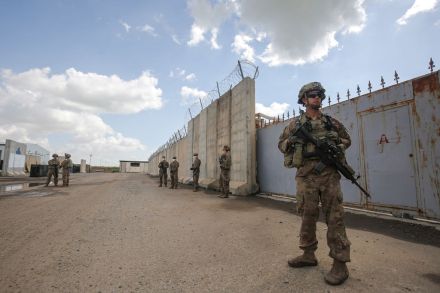
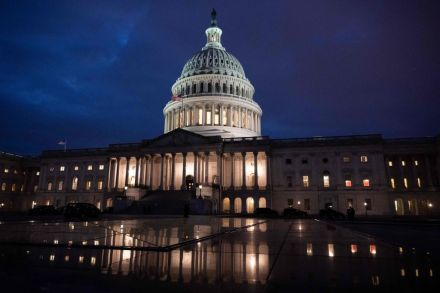
On March 29, more than twenty years after the United States commenced Operation Shock and Awe in Baghdad, the Senate made history by repealing the military force authorization that green-lit the operation. The bill, which also aims to kill a previous 1991 authorization for the use of military force, or AUMF, against Iraq during the Gulf War, now heads to the House of Representatives where it faces an uncertain future.  On the face of it, repealing both measures would seem like an ordinary event. Saddam Hussein, after all, has been dead for over sixteen years, hanged by an Iraqi court for a litany of crimes against his own people. His regime dissolved within three weeks of the 2003 invasion.
state of the union

Marking twenty years of America’s most endless war

The Iraqi people have been through plenty over the last twenty years: a regime change operation against Saddam Hussein; a jihadist insurgency against American occupation forces; a sectarian civil war between Shia and Sunni armed groups; Iranian political interference; an Islamic State rampage; a US-organized counter-ISIS coalition that destroyed the terrorist group’s territorial caliphate. According to Brown University’s Cost of War Project, at least 275,000 Iraqi civilians died in war-related violence between 2003 and 2019. On March 19, the US will mark the twenty-year anniversary of Operation Shock and Awe, the massive air campaign against Saddam’s Iraqi army that paved the way for the ensuing armored drive to Baghdad.

foreign policy

Israel’s wake-up call to America

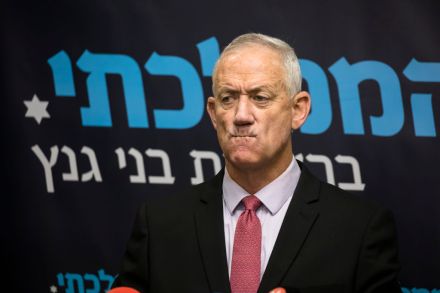
Last month, then-Israeli defense minister Benny Gantz made headlines when he said that Israel may strike Iran’s nuclear infrastructure within two to three years. Gantz has made readying Jerusalem for this contingency a priority, and in November said that Israel had “achieved preparedness, we have [more] capabilities we are developing and we have long-term processes I don’t want to elaborate on.” But while Israel may have the capability to hit Iran, the US should not force it to risk such a strike.

Noninterventionists never win arguments

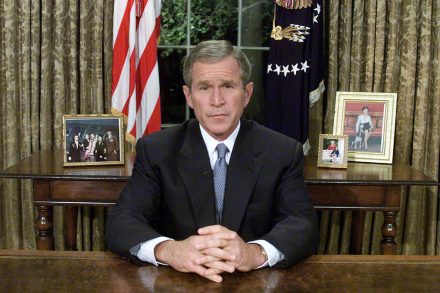
I’ve been thinking about where I was on the eve of the US invasion of Iraq in 2003, and my memories of the event are quite depressing. What have we learned? As a research fellow at the Cato Institute at that time, I was working with other analysts preparing research, authoring commentaries, publishing op-ed articles and giving interviews to the broadcast media, warning about the consequences of the coming American military conquest in the Middle East. It's not polite to toot one’s own horn, but we were right.

terror

Justin Raimondo was the gay, ferociously anti-war precursor to Donald Trump

Justin Raimondo is dying. It’s October 2018 and I am headed to the ‘Raimondo Ranch’, in Sebastopol, northern California, to visit the home of the founder of Antiwar.com, the cult website that kept the faith in the early days of the net as Bill Clinton mindlessly bombed Yugoslavia, and George W. Bush leveled Iraq. No one cared, of course. And everyone else was wrong. Raimondo is a legend. The ‘ranch’ is no paleoconservative plantation. It’s a quaint shack with a garden that looks like it’s used to grow marijuana, but charmingly probably isn’t. The property will go to Yoshi, who Raimondo describes as his boyfriend, though in fact the pair are married.

justin raimondo